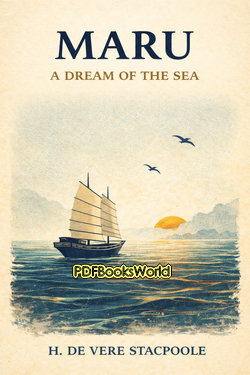
Maru - A Dream of the Sea
by H. De Vere Stacpoole
Dreams, Ocean Mystery, and the Enchantment of Life at Sea
Maru: A Dream of the Sea by H. De Vere Stacpoole is a lyrical and atmospheric novel blending romance, adventure, mysticism, and deep fascination with the sea. Known for his evocative maritime fiction, Stacpoole presents the ocean not simply as a physical setting, but as a mysterious and almost spiritual force shaping human emotion, imagination, and destiny.
The novel combines dreamlike storytelling with vivid natural description while exploring longing, beauty, isolation, and humanity’s emotional connection to the sea.
The Sea as a Living Presence
The story unfolds within an environment dominated by the rhythms and moods of the ocean. Characters move through remote coastal regions, islands, and maritime settings where nature exerts profound influence over thought, feeling, and experience.
The sea becomes both refuge and danger, symbolizing freedom, mystery, escape, and emotional transformation.
Rather than focusing solely upon plot-driven action, the work emphasizes atmosphere, sensation, memory, and the psychological effect of marine landscapes upon the human spirit.
The volume reflects early twentieth-century fascination with exotic locations, romantic adventure, and the symbolic power of nature.
Its tone combines poetic beauty with melancholy reflection and dreamlike wonder.
Dreams, Desire, and Emotional Escape
A major theme throughout the novel is the desire to escape ordinary civilization and enter a world shaped by beauty, imagination, and emotional freedom.
Stacpoole repeatedly explores how the sea awakens longing, fantasy, nostalgia, and spiritual reflection within those drawn toward it.
The work also reflects the tension between civilized society and the untamed natural world, suggesting that modern life often distances humanity from deeper emotional and instinctive experience.
This dreamlike atmosphere gives the novel much of its distinctive literary charm.
Literary and Symbolic Themes Explored Throughout the Novel
- The Sea as Symbol and Mystery: The ocean represents beauty, freedom, danger, and emotional transformation.
- Dreams and Escapism: Characters seek meaning and emotional release beyond ordinary life.
- Nature and Human Emotion: Marine landscapes deeply influence memory, imagination, and desire.
- Isolation and Reflection: Remote settings encourage introspection and spiritual contemplation.
- Romantic and Atmospheric Adventure: The novel blends emotional storytelling with exotic maritime settings.
The book reflects many qualities associated with Stacpoole’s celebrated sea fiction and romantic adventure writing.
The Emotional Power of the Ocean
One of the work’s strongest ideas is that the sea possesses a unique psychological and symbolic influence over human beings.
Stacpoole repeatedly demonstrates how ocean landscapes inspire both peace and longing while drawing individuals away from social routine and toward deeper emotional awareness.
The novel also reveals enduring literary fascination with islands, distant shores, and maritime solitude as spaces of personal transformation.
This combination of natural beauty and emotional symbolism gives the story lasting poetic appeal.
H. De Vere Stacpoole’s Atmospheric Literary Style
Maru: A Dream of the Sea demonstrates H. De Vere Stacpoole’s remarkable ability to create vivid sensory atmosphere through descriptive prose and emotional subtlety.
The writing remains fluid, reflective, and strongly focused upon mood, scenery, and the emotional resonance of the natural world.
Stacpoole consistently presents the sea as both physical reality and symbolic dreamscape.
Why the Novel Still Holds Literary and Maritime Interest
Modern readers continue finding Maru: A Dream of the Sea appealing because it captures the romantic and mystical fascination long associated with maritime literature.
The novel also provides insight into early twentieth-century adventure fiction and literary traditions celebrating exotic landscapes, emotional introspection, and humanity’s relationship with nature.
Its themes of longing, escape, beauty, solitude, and ocean mystery continue attracting readers who enjoy atmospheric literary fiction and sea narratives.
For readers interested in maritime literature, romantic adventure, island fiction, poetic prose, ocean symbolism, psychological reflection, and classic sea stories, this work remains evocative, dreamlike, and emotionally memorable.
Similar Genres
About the Author

H. De Vere Stacpoole, born Henry De Vere Stacpoole in 1863, was an Irish-born novelist whose vivid imagination and evocative descriptions of the sea made him one of the most distinctive adventure writers of the early twentieth century. Explore H. De Vere Stacpoole books to discover the author's life, literary career, and access notable works, including Corporal Jacques of the Foreign Legion, The Gates of Morning, Kadjaman, The Story of Gombi , and more.