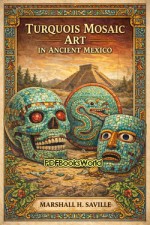
Marshall H. Saville
Marshall H. Saville, or Marshall Howard Saville, was an American archaeologist, explorer, museum curator, and scholar whose pioneering research greatly expanded knowledge of the ancient civilizations of Mexico, Central America, and the Andes. As one of the leading American archaeologists of the late nineteenth and early twentieth centuries, Saville conducted extensive fieldwork, documented archaeological sites, and published influential studies that remain valuable to historians, archaeologists, and students of Indigenous American cultures.
Archaeological Career
Marshall H. Saville devoted his career to the scientific study of ancient American civilizations. Working with major museums and research institutions, he led archaeological expeditions across Mexico, Ecuador, and other parts of Latin America. His investigations focused on ancient architecture, ceremonial centers, burial sites, sculpture, and decorative arts, helping preserve important cultural heritage through careful excavation and documentation.
His research contributed significantly to the understanding of pre-Columbian societies and encouraged greater appreciation of the artistic and technological achievements of Indigenous peoples.
Writing Style and Research Approach
Saville wrote in a precise, scholarly, and well-organized style that combined archaeological evidence with historical interpretation. His publications carefully described artifacts, excavation methods, and artistic traditions while placing discoveries within their broader cultural context. Rather than relying on speculation, he emphasized careful observation, detailed illustration, and comparison with historical sources to support his conclusions.
This methodical approach established his works as important references for both professional researchers and readers interested in ancient American history.
Contributions to Archaeology
Marshall H. Saville made lasting contributions by documenting the architecture, craftsmanship, and ceremonial practices of pre-Columbian civilizations. His studies of ancient mosaics, temples, textiles, and religious objects helped preserve knowledge of cultures that flourished long before European contact. Through his excavations and publications, he enriched the fields of archaeology, anthropology, and art history while inspiring future generations of researchers.
Today, his work continues to provide valuable insight into the sophistication and artistic accomplishments of the civilizations of ancient Mexico and South America.
Popular Works
- Turquois Mosaic Art in Ancient Mexico – A detailed study of the remarkable turquoise mosaics created by the civilizations of pre-Columbian Mexico.
- The Antiquities of Manabí, Ecuador – An important archaeological survey of the ancient cultures of coastal Ecuador.
- The Goldsmith's Art in Ancient Mexico – A scholarly examination of metalworking and craftsmanship in pre-Columbian Mexico.
- Pre-Columbian Decoration of the Teeth in Ecuador – A study of dental ornamentation and cultural practices among ancient Ecuadorian peoples.
- Monolithic Axes and Stone Implements – A research work documenting prehistoric tools and ceremonial stone artifacts.
Enduring Legacy
Marshall H. Saville is remembered as one of the foremost archaeologists of the Americas, whose meticulous fieldwork and scholarly publications advanced the understanding of ancient Indigenous civilizations. Through careful excavation, detailed documentation, and insightful analysis, he preserved invaluable knowledge of pre-Columbian art, culture, and history. Today, his public domain works continue to serve as important resources for readers interested in archaeology, anthropology, ancient Mexico, Indigenous American civilizations, and the rich artistic heritage of the Americas.