Man's Redemption of Man - A Lay Sermon
by William Osler
Science, Compassion, and Humanity’s Struggle Against Disease
Man’s Redemption of Man: A Lay Sermon by William Osler is a powerful and reflective address celebrating the achievements of medical science and humanity’s long struggle to reduce suffering, disease, and premature death. Written by one of the most influential physicians of the modern era, the work combines medical history, moral reflection, and admiration for scientific progress.
Osler presents medicine not merely as technical knowledge, but as one of humanity’s greatest humanitarian efforts.
A Tribute to Medical Progress and Human Effort
The essay traces the gradual development of medicine from ancient superstition and helplessness toward modern scientific understanding and organized public health.
Osler reflects upon how generations of physicians, researchers, scientists, and reformers contributed to humanity’s increasing ability to prevent disease and alleviate suffering.
Rather than attributing progress to sudden discoveries alone, he emphasizes patient observation, experimentation, education, and collective human effort across centuries.
The work especially praises advances in sanitation, hygiene, surgery, vaccination, and scientific medicine that transformed everyday life and dramatically reduced mortality.
Osler views these achievements as evidence of humanity’s capacity for cooperation, intelligence, and compassion.
The Medical and Human Ideas Within the Essay
- Scientific Medicine and Discovery: Medical progress emerges through observation, research, and disciplined inquiry.
- Public Health and Disease Prevention: Sanitation, vaccination, and hygiene become essential tools against suffering and death.
- Human Cooperation and Compassion: Medicine is presented as a collective humanitarian achievement rather than individual triumph alone.
- The Historical Struggle Against Illness: The essay reflects on humanity’s long battle against epidemic disease and physical suffering.
Osler consistently presents medicine as both scientific endeavor and moral responsibility.
The Redemption Achieved Through Knowledge
One of the essay’s strongest ideas is that scientific understanding allows humanity to gradually overcome forms of suffering once accepted as unavoidable. Osler uses the phrase “redemption of man” to suggest liberation from ignorance, preventable disease, and helplessness through collective intellectual and moral progress.
The work also emphasizes humility and continuity within scientific achievement.
Osler reminds readers that modern medicine rests upon centuries of accumulated labor, sacrifice, and inquiry.
This historical perspective gives the essay emotional depth as well as intellectual significance.
William Osler’s Humanistic Vision of Medicine
Man’s Redemption of Man demonstrates William Osler’s remarkable ability to unite scientific respect with literary elegance and moral reflection. His writing remains inspiring without becoming sentimental or exaggerated.
Osler consistently portrays physicians and scientists as servants of humanity rather than mere technicians.
The essay reflects his broader philosophy that medicine should combine scientific rigor with compassion, humility, and ethical responsibility.
Why the Essay Still Matters Today
Modern readers continue finding Man’s Redemption of Man deeply meaningful because its themes remain highly relevant in discussions about public health, medical research, scientific responsibility, and global healthcare.
The essay also offers historical perspective on how profoundly sanitation, vaccination, scientific medicine, and preventive care transformed human civilization.
For readers interested in medical history, public health, humanitarian science, healthcare ethics, and the philosophy of medicine, this work remains inspiring, historically important, and intellectually uplifting.
Similar Genres
About the Author
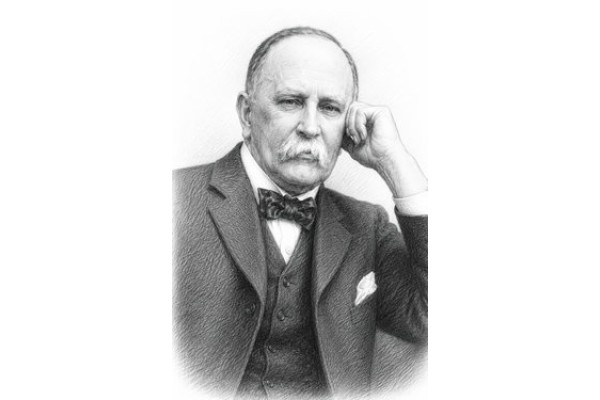
Sir William Osler was a Canadian physician, medical educator, historian, and author whose revolutionary approach to clinical teaching transformed modern medicine. Born in Bond Head, Ontario, in 1849, Osler became one of the founding professors of Johns Hopkins Hospital and later served as Regius Professor of Medicine at the University of Oxford. Explore William Osler books to discover the author's life, literary career, and access notable works, including The Evolution of Modern Medicine , and more.