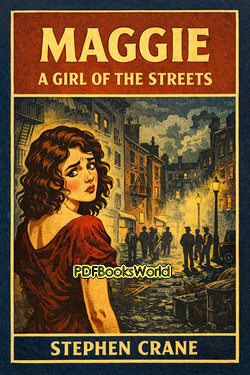
Maggie - A Girl of the Streets
by Stephen Crane
Stephen Crane’s Unflinching Portrait of Poverty and Survival in Urban America
Dirty alleyways, overcrowded tenements, drunken violence, shattered dreams, and emotional isolation dominate the world of Maggie: A Girl of the Streets by Stephen Crane. First published in 1893, the novella shocked readers with its harsh realism and refusal to romanticize poverty. At a time when much American fiction still preferred moral idealism and sentimental storytelling, Crane presented city life with brutal honesty.
The result became one of the earliest and most influential works of literary naturalism in American literature.
A Childhood Shaped by Violence and Poverty
Maggie grows up in a violent and unstable household within the slums of New York City. Her environment offers little protection, affection, or opportunity.
Arguments, alcoholism, and hopelessness surround daily life. Crane portrays poverty not simply as lack of money but as an entire social atmosphere that shapes behavior, relationships, and personal destiny.
From the beginning, Maggie appears trapped inside conditions she cannot control.
The Illusion of Escape
As Maggie grows older, she longs for beauty, affection, and a more dignified existence. Her relationship with Pete, a confident and flashy young man, briefly seems to offer escape from the misery surrounding her.
However, Crane steadily reveals how fragile such hopes become within a society marked by inequality, hypocrisy, and emotional neglect.
The novella avoids sentimental rescue or comforting moral resolution. Instead, it exposes the cruel pressures facing vulnerable individuals living at society’s margins.
People Who Shape Maggie’s World
- Maggie Johnson, young, hopeful, and emotionally vulnerable
- Jimmie, her aggressive brother hardened by street life
- Mary Johnson, Maggie’s abusive and alcoholic mother
- Pete, whose apparent confidence masks selfishness and instability
Each character reflects different forms of emotional damage created by poverty and urban hardship.
What Makes the Novella Revolutionary?
Crane rejected idealized portrayals of the poor that were common in earlier fiction. His characters do not speak in polished literary language or behave according to simple moral categories.
Instead, the novella presents:
- Harsh living conditions
- Social hypocrisy
- Psychological pressure
- The destructive influence of environment
This realism helped establish Crane as a major literary innovator.
The Rise of Literary Naturalism
Maggie became an important example of naturalism, a literary movement influenced by ideas about environment, social conditions, and human limitation.
Naturalist writers often portrayed individuals struggling against forces larger than themselves, including poverty, violence, social class, and urban industrial life.
Crane’s novella suggests that personal choices alone may not overcome deeply unequal social systems.
The Power of Crane’s Writing Style
Stephen Crane writes with compressed intensity and vivid imagery. His descriptions of crowded streets, saloons, noise, and emotional conflict create a suffocating atmosphere that mirrors the characters’ lives.
The dialogue feels direct and realistic, helping the world of the novella seem immediate and authentic.
Despite the story’s brevity, Crane creates enormous emotional impact through sharp observation and restrained storytelling.
Why Maggie Still Feels Important Today
Maggie: A Girl of the Streets remains powerful because issues involving poverty, social inequality, domestic violence, and emotional neglect continue to affect modern society.
For readers interested in American realism, urban fiction, literary naturalism, and socially conscious storytelling, Stephen Crane’s novella stands as a landmark work that changed the direction of American literature.
Similar Genres
About the Author
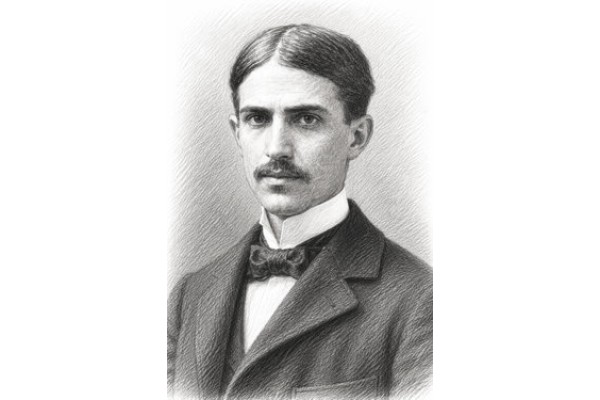
Stephen Crane was an American novelist, poet, journalist, and short story writer whose groundbreaking works helped shape modern realism and literary naturalism. Born in Newark, New Jersey, in 1871, Crane gained international recognition through his vivid portrayals of war, human courage, social struggle, and the realities of everyday life. Explore Stephen Crane books to discover the author's life, literary career, and access notable works, including The Red Badge of Courage - An Episode of the American Civil War , and more.