
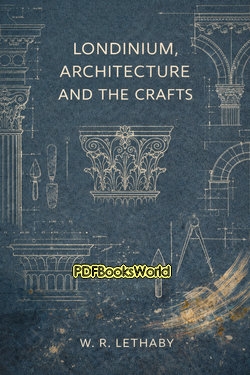
Londinium, Architecture and the Crafts
by W. R. Lethaby
The Artistic and Architectural Heritage of London
Londinium, Architecture and the Crafts by W. R. Lethaby is an insightful exploration of London's architectural history and the skilled craftsmanship that helped shape one of the world's most influential cities. Written by a distinguished architect, designer, and historian, the book examines the relationship between buildings, artisans, and urban development. Through historical analysis and artistic appreciation, Lethaby reveals how architecture reflects the values, ambitions, and creative achievements of the societies that produce it.
The Meaning of "Londinium"
The title invokes the ancient Roman name for London, emphasizing the city's long and complex history. Over centuries, London evolved from a Roman settlement into a major cultural, political, and commercial center. Throughout this transformation, architecture played a crucial role in defining the city's identity.
Lethaby explores how successive generations contributed to London's physical character, leaving behind structures that tell the story of changing tastes, technologies, and social conditions.
Architecture as a Record of History
Buildings are more than functional spaces. They preserve evidence of the people who designed, constructed, and used them. The book highlights how churches, public buildings, homes, and civic structures reflect the historical periods in which they were created.
By studying architecture, readers gain insight into the cultural and economic forces that shaped London's growth over many centuries.
Key Topics Discussed in the Book
- Architectural Design: The principles and styles that influenced London's buildings.
- Craftsmanship: The skills of artisans, builders, and decorative craftsmen.
- Urban Development: The growth and transformation of the city over time.
- Historical Preservation: The importance of protecting architectural heritage.
- Art and Society: The relationship between creative expression and public life.
W. R. Lethaby's Perspective
William Richard Lethaby was a leading figure in the Arts and Crafts movement, which emphasized the value of traditional craftsmanship and thoughtful design. He believed that architecture should combine beauty, utility, and integrity, reflecting the skill and creativity of those who produced it.
His writing demonstrates a deep respect for artisans and the contributions they made to the built environment. Rather than focusing solely on famous architects, he also recognizes the importance of the craftsmen whose labor brought great structures into existence.
The Importance of the Arts and Crafts Tradition
The book reflects many of the ideals associated with the Arts and Crafts movement. Lethaby argues that craftsmanship should be valued not only for its practical results but also for its artistic significance. Decorative details, skilled workmanship, and careful design all contribute to the character and quality of architecture.
This perspective encourages readers to appreciate buildings as works of art as well as functional structures.
Why the Book Remains Relevant
Modern discussions about urban planning, historic preservation, and architectural heritage continue to echo many of the concerns raised by Lethaby. As cities evolve, questions about protecting historic buildings and maintaining high standards of craftsmanship remain important.
The book offers valuable insight into the cultural significance of architecture and the enduring importance of thoughtful design.
A Celebration of Architecture and Craftsmanship
Londinium, Architecture and the Crafts is both a historical study and a tribute to the creative forces that shaped London. Through careful observation and informed analysis, W. R. Lethaby demonstrates how architecture serves as a lasting record of human achievement. The book remains an engaging resource for readers interested in architectural history, urban development, and the enduring value of skilled craftsmanship.
Similar Genres
About the Author
W. R. Lethaby was an English architect, architectural historian, educator, and writer whose ideas had a lasting influence on architecture, design, and the Arts and Crafts movement. He believed that good architecture should combine beauty, skilled craftsmanship, and practical purpose. Explore W. R. Lethaby books to discover the author's life, literary career, and access notable works.