Little Women: Louisa May Alcott’s Beloved Story of Family, Growth, and Sisterhood
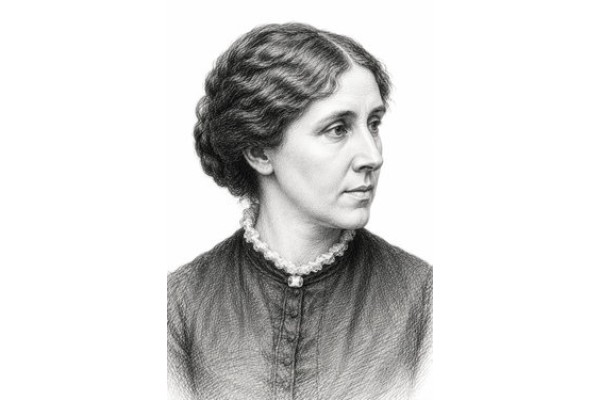
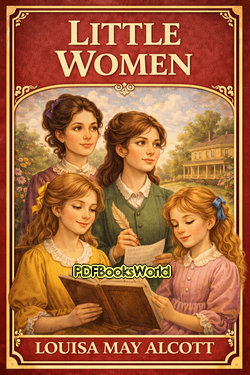
Little Women is one of the most cherished novels in American literature. Written by Louisa May Alcott and first published in 1868, the story follows the lives of the four March sisters as they grow from childhood into adulthood during the American Civil War era. Combining warmth, emotional realism, humor, and life lessons, the novel continues to resonate with readers through its heartfelt exploration of family, ambition, love, and personal identity.
The Lives of The March Sisters
The story centers on Meg, Jo, Beth, and Amy March, four sisters raised in modest circumstances by their caring mother while their father serves as a chaplain during the Civil War. Despite financial hardship, the sisters share a close bond and support one another through moments of joy, disappointment, success, and personal struggle.
Each sister has a distinct personality that shapes her journey through life. Meg dreams of stability and family life, Jo desires independence and literary success, Beth represents kindness and quiet compassion, while Amy pursues beauty, art, and social refinement. Their differing ambitions and emotional experiences give the novel much of its lasting emotional depth.
A Story About Growing Up and Finding Purpose
One reason Little Women remains so beloved is its realistic portrayal of personal growth and family relationships. Louisa May Alcott explores how each sister gradually matures while learning difficult lessons about responsibility, sacrifice, love, disappointment, and self-discovery.
Rather than presenting perfect characters, Alcott allows the sisters to make mistakes, struggle with jealousy and insecurity, and slowly develop stronger moral understanding. This emotional honesty continues to make the novel feel relatable to modern readers.
The Character of Jo March
Jo March became one of literature’s most admired female characters because of her intelligence, creativity, independence, and refusal to fully accept traditional expectations placed upon women during the nineteenth century. Inspired partly by Louisa May Alcott herself, Jo’s ambition to become a writer and live life on her own terms continues to inspire readers across generations.
Her energetic personality and emotional complexity helped establish a new kind of literary heroine whose struggles and aspirations felt authentic and deeply human.
Family, Love, and Everyday Life
Unlike many novels focused on dramatic adventure or mystery, Little Women finds emotional meaning within ordinary family life. Alcott highlights small domestic moments, conversations, celebrations, and hardships in a way that makes the story feel intimate and sincere.
Themes including family loyalty, kindness, ambition, friendship, romance, and personal integrity remain central to the novel’s enduring appeal. Readers continue to connect with the warmth and emotional comfort found within the March family’s relationships.
The Novel’s Lasting Cultural Influence
The influence of Little Women extends far beyond literature. The novel inspired numerous films, television adaptations, stage productions, and modern reinterpretations that continue to introduce new audiences to the March sisters.
Its themes of independence, creativity, and emotional resilience also helped shape later coming-of-age fiction and stories centered on female experience and personal growth.
Final Thoughts
Little Women remains one of the defining classics of family and coming-of-age literature. Through memorable characters, emotional honesty, and timeless reflections on love, ambition, and sisterhood, Louisa May Alcott created a novel that continues to inspire readers around the world.
For readers interested in classic literature, emotionally rich storytelling, and unforgettable characters, this novel remains an essential and rewarding reading experience.