
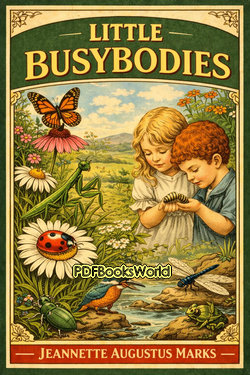
Little Busybodies
by Jeannette Augustus Marks
Little Busybodies: Discovering the Tiny Workers of Nature
Children have always been fascinated by insects. From buzzing bees in gardens to tiny ants marching across the ground, these small creatures seem busy every moment of the day. Little Busybodies by Jeanette Augustus Marks and Julia Moody introduces young readers to the hidden world of insects in a fun and educational way. Originally written for children, the book mixes storytelling with simple science lessons, helping readers understand how insects live, work, and survive.
Even today, the book remains enjoyable because it turns ordinary bugs into interesting characters with important jobs in nature.
A Charming Introduction to the Insect World
Unlike modern science books filled with technical words, Little Busybodies explains nature using clear language and gentle storytelling. The authors describe insects as hardworking neighbors living all around us.
Readers meet:
- Ants building organized colonies
- Bees collecting nectar and making honey
- Crickets singing during warm evenings
- Beetles exploring fields and forests
- Other tiny creatures with unique habits
The writing style makes the insects feel alive and relatable, especially for younger readers discovering nature for the first time.
Why the Book Still Feels Fresh
Simple and Easy-to-Understand Writing
One reason the book continues to appeal to readers is its simple English. The explanations are short, clear, and welcoming for children and beginners.
The authors avoid difficult scientific terms and instead focus on observation and imagination. This makes the book ideal for:
- Young readers
- Homeschool lessons
- Parents reading with children
- Nature lovers
- Beginners interested in insects
The Importance of Insects in Nature
One of the strongest messages in the book is that even the smallest creatures play important roles in the environment.
Bees Help Plants Grow
Bees move pollen from flower to flower, helping plants produce fruits and seeds. Without bees, many gardens and farms would struggle.
Ants Keep the Soil Healthy
Ants dig tunnels underground, which helps air and water move through the soil more easily.
Beetles Clean the Environment
Some beetles feed on dead plants and insects, helping nature recycle waste naturally.
The book encourages readers to respect insects instead of fearing them.
Educational Value for Children
Little Busybodies works as both entertainment and education. Children can enjoy the stories while also learning basic science concepts.
Skills the Book Encourages
- Observation of nature
- Patience and curiosity
- Respect for living creatures
- Reading comprehension
- Early science learning
Teachers and parents may also use the book as a starting point for outdoor activities like bug watching or garden exploration.
Memorable Features of the Book
Several elements make the book stand out among classic children's nature books.
Gentle Storytelling Style
The tone is calm and friendly rather than overly academic. Readers feel as though someone is personally guiding them through a garden filled with tiny discoveries.
Focus on Everyday Nature
The insects described are common creatures many children can easily find outdoors. This creates a strong connection between reading and real life.
Imaginative Descriptions
The authors often describe insect behavior in ways children can picture clearly. Busy ants become tiny workers, while crickets seem like musicians of the night.
Lessons Modern Readers Can Still Appreciate
In today's digital world, books about nature remain important. Many children spend more time indoors than previous generations, making outdoor curiosity even more valuable.
Reading Little Busybodies can inspire readers to:
- Spend more time outside
- Observe gardens and parks
- Learn about ecosystems
- Appreciate small living creatures
- Develop environmental awareness
The book gently reminds readers that nature is full of activity, even in the smallest corners of the world.
A Classic for Young Nature Lovers
While some older children's books may feel outdated, Little Busybodies keeps its charm because of its warmth and simplicity. It does not rely on complicated science or dramatic storytelling. Instead, it celebrates curiosity and careful observation.
Readers who enjoy classic educational books may appreciate how the authors transform ordinary insects into fascinating subjects. The book also serves as a reminder that learning about nature can be both relaxing and exciting.
Final Thoughts
Little Busybodies by Jeanette Augustus Marks and Julia Moody remains a delightful introduction to the insect world. Through simple language and imaginative storytelling, the book teaches readers that even the tiniest creatures have meaningful roles in nature.
For children, parents, educators, and classic book enthusiasts, the story offers a peaceful and educational reading experience that still feels relevant today. Whether someone enjoys insects, outdoor exploration, or vintage children's literature, this charming book continues to provide valuable lessons about curiosity, patience, and the natural world.
Similar Genres
About the Author
Jeannette Augustus Marks (1875–1964) was an American author, educator, playwright, and professor who devoted much of her life to literature and education. A longtime faculty member at Mount Holyoke College, she encouraged creativity, independent thinking, and a love of reading among her students. Explore Jeannette Augustus Marks books to discover the author's life, literary career, and access notable works.