
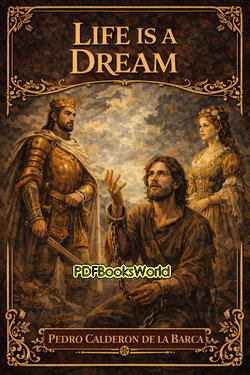
Life Is a Dream
by Pedro Calderon de la Barca
A Philosophical Drama About Reality, Free Will, and the Meaning of Human Life
Life Is a Dream by Pedro Calderón de la Barca is one of the greatest plays of Spanish literature and a masterpiece of philosophical drama. First published in the seventeenth century during Spain’s Golden Age, the play explores questions about destiny, illusion, freedom, and human responsibility.
The story follows Prince Segismundo, who has been imprisoned since birth because of a prophecy predicting he would become a cruel ruler. When he is suddenly released and given power, Segismundo struggles to understand whether life itself is real or merely a dream. Through poetic dialogue and dramatic conflict, Calderón examines themes connected to Spanish Golden Age literature and philosophical theater.
About the Author
Pedro Calderón de la Barca was a Spanish playwright, poet, and dramatist widely regarded as one of the most important writers of the Spanish Golden Age. His plays often combined philosophy, religion, political ideas, and emotional conflict.
Calderón became famous for his poetic language and complex exploration of morality, fate, and human nature.
Main Themes of the Play
The play focuses on Segismundo’s emotional and philosophical journey as he questions reality, freedom, and the meaning of human existence.
Important Themes Discussed
- Reality versus illusion
- Free will and destiny
- Power, responsibility, and morality
- The search for wisdom and self-control
The drama also explores how individuals can choose virtue and wisdom despite uncertainty and suffering.
The Meaning Behind “Life Is a Dream”
One of the central ideas of the play is that human life may be temporary and uncertain, much like a dream. Segismundo learns that because life can be unpredictable and fragile, people should act with honor, compassion, and wisdom.
As the story develops, Segismundo transforms from anger and confusion toward self-awareness and moral understanding.
What Makes the Play Unique
- Blend of philosophy, drama, and poetry
- Deep exploration of human freedom and destiny
- Powerful emotional and symbolic storytelling
Writing Style
Calderón’s writing style is poetic, dramatic, and richly symbolic. The play uses elegant dialogue and philosophical reflection to create emotional depth and intellectual complexity.
The combination of theatrical action and philosophical ideas makes the work both entertaining and thought-provoking.
Historical Importance
Life Is a Dream became one of the defining works of Spanish classical drama and Baroque literature. The play influenced later philosophers, playwrights, and writers interested in questions about reality and human freedom.
Historical Features
- Major work of the Spanish Golden Age
- Influence on philosophical and symbolic drama
- Exploration of political and moral responsibility
The play also reflected seventeenth-century interest in religion, monarchy, and philosophical ideas about human existence.
Lessons for Modern Readers
Modern readers and audiences continue to appreciate the play because of its timeless questions about identity, morality, and the nature of reality. Segismundo’s transformation encourages reflection on self-control, wisdom, and ethical behavior.
The story also reminds readers that life’s uncertainty makes compassion and thoughtful action even more important.
Conclusion
Life Is a Dream by Pedro Calderón de la Barca remains a timeless masterpiece of philosophical drama. Through poetic language, emotional depth, and profound ideas about freedom and reality, Calderón created a play that continues to inspire readers and audiences around the world.
Similar Genres
About the Author
Pedro Calderón de la Barca was a Spanish playwright, poet, and dramatist whose works stand among the greatest achievements of the Spanish Golden Age. Celebrated for his philosophical depth, poetic language, and masterful stagecraft, he wrote dramas that explored free will, honor, justice, faith, and the nature of reality. Explore Pedro Calderon de la Barca books to discover the author's life, literary career, and access notable works.