
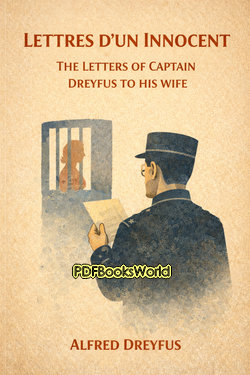
Lettres d'un Innocent - The Letters of Captain Dreyfus to His Wife
by Alfred Dreyfus
Injustice, Loyalty, and Emotional Survival During the Dreyfus Affair
Lettres d'un Innocent : The Letters of Captain Dreyfus to His Wife by Alfred Dreyfus is a deeply personal and historically important collection of letters written during one of the most controversial political scandals in modern European history. The correspondence documents Dreyfus’s emotional and psychological struggle after being falsely convicted of treason by the French military in 1894 during the infamous Dreyfus Affair.
The letters reveal not only the suffering of an innocent man imprisoned and publicly humiliated, but also extraordinary endurance, devotion, and determination sustained through love for his family and belief in justice.
A Prisoner Declaring His Innocence
After his conviction, Alfred Dreyfus was stripped of military rank and sent to imprisonment on Devil’s Island under harsh and isolating conditions. Throughout this ordeal, he maintained regular correspondence with his wife Lucie, writing letters filled with grief, hope, longing, and repeated declarations of innocence.
Dreyfus continually expresses emotional anguish caused by separation from his family and the knowledge that his honor and reputation had been destroyed through false accusation. At the same time, he demonstrates remarkable self-control and refusal to surrender psychologically despite despair and uncertainty.
Rather than becoming bitter alone, the letters repeatedly show his concern for Lucie’s well-being and the future of their children.
The work transforms a major political scandal into an intimate human story centered upon emotional endurance and loyalty.
Its tone combines sorrow, dignity, affection, and moral conviction.
Characters
- Alfred Dreyfus: The imprisoned French army officer fighting to preserve hope and dignity while insisting upon his innocence.
- Lucie Dreyfus: Alfred’s devoted wife whose loyalty and emotional support sustain him during imprisonment.
- The French Military Authorities: Institutions responsible for Dreyfus’s wrongful conviction and punishment.
- The Dreyfus Family: Relatives struggling against public hostility while seeking justice and rehabilitation.
Love and Endurance Under Injustice
A major theme throughout the collection is the sustaining power of love and personal loyalty during periods of extreme suffering. Lucie’s unwavering support becomes an emotional lifeline for Dreyfus while he endures isolation and humiliation.
The letters also reveal the psychological effects of wrongful imprisonment, including loneliness, anxiety, emotional exhaustion, and fear of being forgotten or abandoned.
At the same time, Dreyfus repeatedly demonstrates faith in eventual justice despite overwhelming political prejudice and public hostility.
This combination of emotional vulnerability and moral resilience gives the collection extraordinary human power.
Historical and Emotional Themes Explored Throughout the Letters
- Wrongful Conviction and Injustice: Dreyfus suffers imprisonment despite his innocence.
- Love and Family Loyalty: Emotional support from Lucie sustains him through despair.
- Isolation and Psychological Struggle: Imprisonment creates loneliness, fear, and emotional suffering.
- Honor and Moral Conviction: Dreyfus refuses to abandon belief in truth and justice.
- Political Prejudice and Public Scandal: The affair exposes anti-Semitism and institutional corruption within French society.
The collection stands as both personal testimony and historical document connected to one of the defining political scandals of modern France.
The Human Cost of Political Injustice
One of the work’s strongest ideas is that public injustice produces deep private suffering extending beyond courts and politics into family life and emotional existence.
Dreyfus repeatedly demonstrates how hope, affection, and personal integrity may survive even under harsh oppression and public disgrace.
The letters also reveal how political prejudice and institutional power can destroy lives when truth becomes secondary to nationalism and fear.
This emotional honesty gives the collection lasting historical and moral importance.
Alfred Dreyfus’s Direct and Emotional Writing Style
Lettres d'un Innocent demonstrates Alfred Dreyfus’s sincere and restrained literary voice. The prose remains personal, emotionally direct, and strongly focused upon love, truth, endurance, and moral perseverance.
Dreyfus consistently writes with dignity and discipline despite overwhelming emotional hardship.
Why the Collection Still Holds Historical Importance
Modern readers continue finding Lettres d'un Innocent powerful because it preserves the personal voice of a man whose wrongful conviction became an international symbol of injustice and political prejudice.
The collection also provides insight into the emotional realities of imprisonment, the importance of family loyalty, and the broader historical significance of the Dreyfus Affair within modern European history.
Its themes of truth, resilience, injustice, devotion, and moral courage continue resonating strongly with readers today.
For readers interested in French history, prison literature, political injustice, human rights, autobiographical writing, and the Dreyfus Affair, this work remains moving, historically significant, and profoundly human.
Similar Genres
About the Author
Alfred Dreyfus was a French army officer whose name became inseparably linked with one of the most significant miscarriages of justice in modern history. Wrongfully convicted of treason in what became known as the Dreyfus Affair, he endured imprisonment, public humiliation, and years of separation from his family before being fully exonerated. Explore Alfred Dreyfus books to discover the author's life, literary career, and access notable works.