
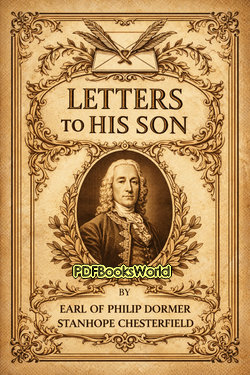
Letters to His Son
by Lord Chesterfield
A Classic Collection of Advice About Manners, Education, and Success in Society
Letters to His Son by Philip Dormer Stanhope, Earl of Chesterfield is a famous collection of personal letters written to guide his son in education, social behavior, politics, and personal development. Written during the eighteenth century, the letters became widely read because of their practical advice about manners, communication, ambition, and leadership.
The collection reflects the values and expectations of aristocratic European society during the Enlightenment era. Through thoughtful instruction and personal observation, Chesterfield explored ideas connected to Enlightenment culture and social education.
About the Author
Philip Dormer Stanhope, the fourth Earl of Chesterfield, was an English statesman, diplomat, and writer known for his wit, intelligence, and political experience. He served in government and diplomatic positions while developing a reputation as a refined and educated gentleman.
His letters later became famous for their detailed advice on social conduct, learning, and personal ambition.
Main Themes of the Letters
The letters focus on helping a young man succeed in society through education, discipline, politeness, and careful self-improvement.
Important Themes Discussed
- Education and intellectual growth
- Manners and social behavior
- Ambition and personal success
- Communication and diplomacy
Chesterfield emphasizes that knowledge alone is not enough and that social skills and personal presentation also play important roles in life.
The Art of Conduct and Conversation
Many letters discuss the importance of polite conversation, graceful behavior, and emotional self-control. Chesterfield believed successful individuals should appear confident, educated, and respectful in public life.
He also encouraged curiosity, travel, language learning, and observation of different cultures as ways to improve personal understanding and social ability.
What Makes the Collection Unique
- Detailed personal advice from a statesman and diplomat
- Insight into eighteenth-century social values
- Blend of education, etiquette, and ambition
Writing Style
Chesterfield’s writing style is polished, intelligent, and conversational. The letters combine practical instruction with humor, reflection, and elegant language.
The personal tone of the correspondence helps readers understand both the author’s personality and his educational philosophy.
Historical Importance
Letters to His Son became one of the best-known collections in the history of English letter writing and conduct literature. The work strongly influenced discussions about etiquette, education, and gentlemanly behavior.
Historical Features
- Insight into Enlightenment-era education and society
- Influence on etiquette and self-improvement literature
- Reflection of aristocratic values and diplomacy
The letters also provide a detailed picture of social expectations and intellectual culture in eighteenth-century Europe.
Lessons for Modern Readers
Modern readers continue to find value in the letters because many themes such as communication, discipline, confidence, and lifelong learning remain relevant today.
The collection also encourages readers to balance knowledge with kindness, professionalism, and emotional intelligence.
Conclusion
Letters to His Son by Philip Dormer Stanhope, Earl of Chesterfield, remains a classic work of advice and self-improvement literature. Through thoughtful guidance and elegant writing, Chesterfield created a timeless collection about education, manners, ambition, and success in society.
Similar Genres
About the Author
Philip Dormer Stanhope, 4th Earl of Chesterfield, commonly known as Lord Chesterfield, was an English statesman, diplomat, essayist, and man of letters whose writings on manners, education, and personal conduct have remained influential for centuries. Explore Lord Chesterfield books to discover the author's life, literary career, and access notable works.