
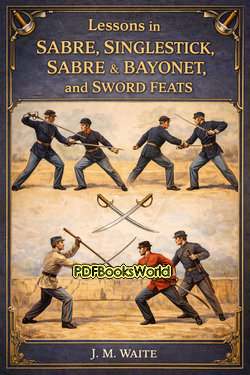
Lessons in Sabre
by John Musgrave Waite
A Practical Guide to the Art of Fencing
Lessons in Sabre by John Musgrave Waite is a classic instructional work dedicated to the art and technique of sabre fencing. Written by one of the most respected fencing masters of his era, the book provides readers with a detailed introduction to the principles, movements, and strategies that define successful sabre combat. Whether studied for historical interest or practical understanding, the work remains a valuable resource for those interested in fencing and martial disciplines.
Understanding the Foundations of Sabre Fencing
The book begins by introducing the fundamental concepts that every fencer should understand. Waite emphasizes proper posture, balance, and weapon control as the building blocks of effective fencing. Before attempting advanced techniques, students are encouraged to develop a strong command of these essential skills.
By focusing on correct form from the beginning, the author demonstrates how disciplined practice can improve both performance and confidence. This methodical approach reflects the training philosophy used by many fencing instructors of the period.
Essential Techniques Explained
- Guard Positions: Learning the correct stance for both defense and attack.
- Cuts and Strikes: Understanding the different offensive movements used with the sabre.
- Parries: Techniques designed to block or redirect an opponent's attack.
- Footwork: Developing mobility, balance, and control during combat.
These techniques form the core of sabre fencing and are presented in a structured manner that allows readers to build skills gradually.
The Importance of Strategy and Timing
Beyond physical technique, Lessons in Sabre highlights the importance of tactical thinking. Successful fencing requires more than quick movements; it demands careful observation, anticipation, and decision-making. Waite explains how timing can determine the outcome of an exchange and why patience is often as valuable as speed.
The book encourages students to study their opponents, recognize opportunities, and respond with precision rather than relying solely on aggression.
Key Principles of Effective Training
- Consistency: Regular practice leads to steady improvement.
- Control: Precision is more important than unnecessary force.
- Discipline: Focused training helps develop reliable technique.
- Awareness: Understanding distance and timing is essential during a bout.
These principles extend beyond fencing and can be applied to many areas of personal development and athletic training.
Historical Value of the Work
As a historical fencing manual, the book offers insight into the methods and standards used by instructors during the late nineteenth century. Readers interested in military history, martial arts, or the evolution of combat sports will find the text especially informative. The techniques and terminology provide a glimpse into a period when fencing was widely practiced both as a sport and as a practical skill.
This historical perspective adds depth to the instructional content and makes the work appealing to a broad audience.
Why Lessons in Sabre Remains Relevant Today
Lessons in Sabre continues to be appreciated by fencing enthusiasts, historians, and students of martial disciplines. John Musgrave Waite's clear explanations and systematic teaching style make complex techniques easier to understand. The book not only teaches the mechanics of sabre fencing but also emphasizes discipline, strategy, and continuous improvement. As a result, it remains a respected guide for anyone interested in the enduring art of fencing.
Similar Genres
About the Author
John Musgrave Waite was a distinguished American military officer, fencing master, and author whose expertise helped popularize the art of swordsmanship in the United States during the late nineteenth century. Serving in the U.S. Explore John Musgrave Waite books to discover the author's life, literary career, and access notable works.