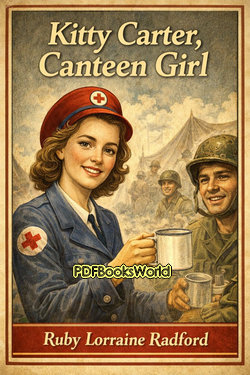
Kitty Carter, Canteen Girl
by Ruby Lorraine Radford
Hope, Friendship, and Wartime Service on the Home Front
Not every wartime hero stands on the battlefield. Some work behind the scenes offering comfort, encouragement, food, and emotional support to soldiers facing uncertainty and danger. Kitty Carter, Canteen Girl by Ruby Lorraine Radford shines a light on that quieter form of courage through the story of a young woman determined to help others during a time of national crisis.
Blending emotional drama, patriotism, friendship, and youthful determination, the novel captures the atmosphere of wartime service while focusing on the human relationships formed during difficult times.
More Than Serving Meals
Kitty Carter becomes involved in canteen work designed to assist soldiers traveling through military stations and camps. While the duties may appear simple at first, the role quickly proves emotionally demanding and socially important.
Canteen workers provided meals, conversation, encouragement, and small comforts to men preparing for military service or returning from dangerous assignments. Their kindness helped maintain morale during periods of anxiety and separation.
The story emphasizes that compassion itself can become a powerful form of service.
Faces Found Throughout the Story
- Kitty Carter, energetic, compassionate, and eager to contribute during wartime
- Fellow canteen workers balancing duty, friendship, and emotional pressure
- Soldiers passing through military stations carrying fear, hope, and uncertainty
- Friends and family members affected by the emotional strain of war
These relationships give the novel warmth and emotional realism.
The Emotional Side of Wartime Life
Rather than focusing heavily on combat itself, the novel explores the emotional atmosphere surrounding war. Waiting, worrying, separation, and personal sacrifice shape the lives of civilians and service workers alike.
Kitty gradually matures as she learns to handle responsibility, emotional disappointment, and the unpredictable realities of wartime society.
The story also highlights the growing role of women in public service and organized wartime support efforts during the early twentieth century.
Moments That Define the Novel
Throughout the narrative, readers encounter scenes involving:
- Busy canteen stations filled with departing soldiers
- Emotional farewells and hopeful reunions
- Acts of kindness during stressful situations
- Personal growth through responsibility and hardship
These moments help create an uplifting yet emotionally grounded atmosphere.
The Tone and Storytelling Approach
Ruby Lorraine Radford writes with simplicity, warmth, and emotional sincerity. The storytelling remains accessible while still addressing serious themes connected with duty, fear, and personal resilience.
The pacing moves gently through friendships, conversations, and emotional turning points rather than relying entirely on dramatic action.
This softer approach gives the novel much of its charm and human appeal.
Why the Story Continues to Resonate
Kitty Carter, Canteen Girl remains meaningful because it recognizes forms of heroism often overlooked in wartime fiction. The novel reminds readers that compassion, encouragement, and emotional support can become essential acts during periods of national hardship.
For readers interested in historical fiction, wartime home-front stories, women’s experiences during conflict, and emotionally uplifting narratives, Ruby Lorraine Radford’s novel offers a heartfelt portrait of kindness and courage in uncertain times.
Similar Genres
About the Author
Ruby Lorraine Radford was an American author and storyteller best remembered for her engaging books for young readers that combined adventure, patriotism, wholesome entertainment, and valuable life lessons. Explore Ruby Lorraine Radford books to discover the author's life, literary career, and access notable works, including Nancy Dale, Army Nurse , and more.