
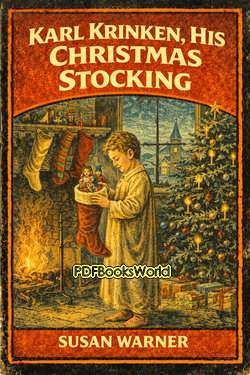
Karl Krinken, His Christmas Stocking
by Susan Warner
A Christmas Story of Kindness, Sacrifice, and Unexpected Generosity
Snow-covered streets, humble homes, childhood hope, and the warmth of holiday compassion shape the emotional world of Karl Krinken, His Christmas Stocking by Susan Warner. Like many classic nineteenth-century Christmas stories, the work blends sentiment, moral reflection, and domestic warmth to celebrate generosity, gratitude, and the quiet dignity of ordinary people.
The story captures the spirit of Christmas not through luxury or spectacle, but through kindness shared during hardship and emotional need.
A Boy at the Center of the Story
Karl Krinken emerges as a sympathetic and memorable figure whose experiences reflect innocence, humility, and emotional sincerity.
The Christmas stocking of the title becomes both a literal object and a symbol of expectation, hope, and human care.
As the narrative unfolds, the holiday setting reveals how small acts of generosity can carry deep emotional meaning, especially for those living with difficulty or uncertainty.
The story emphasizes emotional warmth over dramatic action.
The Importance of Christmas Traditions
Like much Victorian-era holiday literature, the book highlights customs associated with family life and seasonal celebration.
Readers encounter themes involving:
- Gift-giving and charitable kindness
- The emotional significance of Christmas traditions
- Compassion toward the poor and vulnerable
- The moral value of gratitude and unselfishness
These themes helped shape the enduring literary image of Christmas as a season connected with generosity and emotional renewal.
The Sentimental Tradition of Nineteenth-Century Fiction
Susan Warner belonged to a literary tradition that valued moral storytelling and emotional sincerity. Stories of this kind often aimed not only to entertain readers but also to encourage empathy, charity, patience, and spiritual reflection.
The emotional tone may appear gentle and sentimental to modern audiences, yet it reflects the cultural importance attached to family affection and moral character during the period.
The holiday setting intensifies those emotional values.
Childhood, Poverty, and Human Sympathy
One reason Christmas literature became so popular in the nineteenth century was its ability to connect childhood innocence with broader social concerns involving poverty and inequality.
Karl Krinken, His Christmas Stocking reflects that tradition by encouraging readers to recognize the emotional needs and hardships experienced by others.
The story suggests that kindness possesses value beyond material wealth itself.
The Writing Style of Susan Warner
Warner writes with warmth, clarity, and emotional directness. Her storytelling focuses heavily on feeling, moral atmosphere, and intimate human interaction rather than complex plot structure.
Descriptions of domestic scenes and holiday emotion create a comforting and reflective mood throughout the work.
The simplicity of the narrative contributes strongly to its charm.
Why Karl Krinken, His Christmas Stocking Still Holds Appeal
Karl Krinken, His Christmas Stocking continues to resonate because stories about kindness, generosity, and emotional connection remain central to the enduring cultural meaning of Christmas.
For readers interested in classic holiday fiction, Victorian sentimental literature, family-centered storytelling, and morally uplifting narratives, Susan Warner’s story offers a gentle and heartfelt portrait of compassion during the Christmas season.
Similar Genres
About the Author
Susan Warner was an American novelist, children's author, and religious writer whose books inspired generations of readers through their warmth, moral values, and engaging storytelling. Writing under the pen name Elizabeth Wetherell, she became one of the most widely read authors of the nineteenth century. Explore Susan Warner books to discover the author's life, literary career, and access notable works.