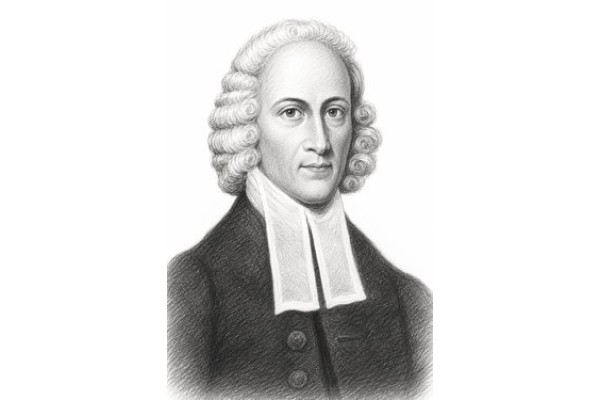
Jonathan Edwards
Jonathan Edwards was an American theologian, philosopher, preacher, and author whose profound writings shaped the course of Protestant thought during the eighteenth century. Born in East Windsor, Connecticut, in 1703, Edwards became one of the leading figures of the First Great Awakening, combining rigorous theological reasoning with deep spiritual insight. His sermons, essays, and philosophical works explored faith, morality, free will, religious experience, and the relationship between humanity and God. Widely regarded as one of America's greatest religious thinkers, Edwards continues to influence theology, philosophy, and Christian devotion around the world.
Faith, Reason, and Spiritual Renewal
Jonathan Edwards believed that genuine religious faith united intellectual understanding with heartfelt spiritual experience. His books examined the nature of grace, divine sovereignty, human responsibility, salvation, and the pursuit of holy living through careful biblical interpretation and philosophical reflection. Blending logical precision with passionate conviction, Edwards encouraged readers to cultivate a deeper relationship with God while pursuing moral integrity and spiritual growth. His writings remain admired for their theological depth, literary power, and enduring relevance.
Beyond his ministry, Edwards made lasting contributions to philosophy, psychology of religion, and ethics, helping establish an intellectual tradition that continues to shape Christian scholarship. His remarkable legacy extends across theology, American history, and religious thought.
Essential Works
- A Treatise Concerning Religious Affections examines the nature of genuine Christian faith and distinguishes authentic spiritual experience from mere outward emotion.
- The Freedom of the Will is Edwards's philosophical masterpiece, exploring human choice, moral responsibility, and divine sovereignty with extraordinary depth.
- The Life of David Brainerd presents the inspiring biography of missionary David Brainerd while reflecting on faith, perseverance, and Christian service.
- The End for Which God Created the World explores the purpose of creation and humanity's relationship with God through systematic theological reasoning.
- The Nature of True Virtue examines morality, love, and the foundations of ethical conduct from a Christian philosophical perspective.
- Sinners in the Hands of an Angry God is Edwards's most famous sermon, remembered for its vivid imagery and powerful call to repentance and spiritual renewal.
An Enduring Legacy in Theology and Philosophy
Jonathan Edwards's writings continue to inspire readers through their theological depth, philosophical insight, and enduring spiritual wisdom. From A Treatise Concerning Religious Affections and The Freedom of the Will to The Nature of True Virtue, The End for Which God Created the World, and Sinners in the Hands of an Angry God, his works remain foundational texts in Christian theology and religious philosophy. His enduring legacy continues to influence theologians, historians, philosophers, and readers seeking a deeper understanding of faith and human nature.
If you enjoy theology, philosophy, Christian classics, and influential works on faith and spirituality, the writings of Jonathan Edwards are well worth exploring. At PDFBooksWorld, you can discover a carefully curated collection of his enduring works and explore the thought of one of America's greatest theologians and religious philosophers.

Selected Sermons of Jonathan Edwards
Jonathan Edwards