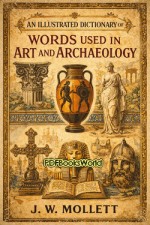
John W. Mollett
John W. Mollet was a British architect, writer, and scholar whose work focused on architecture, decorative arts, and the study of historical craftsmanship. Combining professional knowledge with a passion for education, he produced reference works that helped readers understand the terminology, techniques, and artistic traditions associated with architecture and archaeology. Mollet believed that a clear understanding of artistic language was essential for appreciating the monuments, artifacts, and creative achievements of past civilizations. An Illustrated Dictionary of Words Used in Art and Archaeology is his best-known work, providing a comprehensive guide to the specialized vocabulary of art, architecture, and historical studies.
Making Art and Archaeology Accessible
John W. Mollet recognized that the language of art history and archaeology could be challenging for students and general readers. Technical terms describing architectural styles, decorative motifs, historical objects, and artistic techniques often created barriers to understanding. His dictionary was designed to remove those obstacles by presenting clear definitions supported by illustrations that helped readers identify important features and concepts with confidence.
By organizing information into an easy-to-use reference work, Mollet enabled readers to approach museums, historic buildings, and archaeological discoveries with greater knowledge and appreciation. His work became a valuable companion for students, travelers, artists, and historians alike.
A Clear and Systematic Style
Mollet's writing is characterized by precision, logical organization, and a commitment to clarity. He explained specialized terms in straightforward language without sacrificing scholarly accuracy, making his work useful to readers with varying levels of experience. The inclusion of illustrations further strengthened his explanations by connecting written descriptions with visual examples, enhancing both understanding and retention.
This practical approach reflects his background in architecture, where accurate terminology and careful observation are essential. His ability to simplify complex subjects without oversimplifying them remains one of the defining strengths of his reference works.
Connecting Language with Cultural Heritage
A recurring theme in Mollet's work is the belief that understanding artistic terminology opens the door to a deeper appreciation of history and culture. He demonstrated that every architectural feature, decorative element, and archaeological object carries historical significance and reflects the creativity of the people who produced it. By explaining the vocabulary associated with these subjects, he encouraged readers to engage more thoughtfully with artistic and historical heritage.
An Illustrated Dictionary of Words Used in Art and Archaeology reflects this educational mission by serving as both a practical reference and an introduction to the rich traditions of world art and architecture. The book continues to illustrate how knowledge of terminology enhances the study of cultural history.
Literary Contribution
Although John W. Mollet is remembered primarily for his reference writing, his contribution to art education and architectural scholarship is significant. His dictionary provided an accessible resource at a time when reliable reference materials were limited, helping generations of readers develop confidence in the study of architecture, archaeology, and decorative arts. His work demonstrates the enduring importance of clear explanation in making specialized knowledge available to wider audiences.
Modern students and researchers continue to value such reference works because they preserve historical terminology while providing insight into artistic traditions that span many cultures and historical periods. Mollet's careful scholarship remains a useful foundation for the study of visual culture.
An Enduring Resource for Art and History
John W. Mollet's writings continue to assist readers interested in architecture, archaeology, museum studies, and the history of art. His thoughtful explanations and carefully organized reference material encourage a deeper understanding of the vocabulary that shapes these disciplines. By making technical language accessible, he helped generations of readers appreciate the artistic achievements and cultural heritage preserved in monuments, artifacts, and historic works of art.
PDF Books World preserves carefully curated editions of John W. Mollet's public domain works, allowing modern readers to explore classic reference books that continue to support the study of architecture, archaeology, and the enduring legacy of artistic craftsmanship.