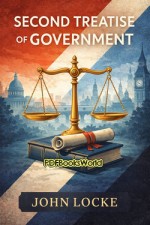
John Locke
John Locke, born in 1632, was an English philosopher, physician, and political thinker whose ideas profoundly shaped the development of modern democracy, constitutional government, and individual rights. Regarded as one of the most influential figures of the Enlightenment, he argued that governments derive their authority from the consent of the governed and exist to protect life, liberty, and property. His writings transformed political philosophy, inspired generations of reformers, and influenced landmark constitutional documents across the world, securing his place among history's greatest intellectuals.
Shaping the Foundations of Modern Political Thought
Locke's philosophy emphasized reason, natural rights, religious tolerance, and the importance of limited government. Rejecting the doctrine of absolute monarchy, he maintained that political power should be exercised for the benefit of society and that citizens possess the right to challenge governments that violate their fundamental freedoms. His balanced and systematic arguments encouraged thoughtful debate about justice, equality, education, and civil society, making his works enduring references in philosophy, law, and political science. The influence of his ideas continues to be felt in democratic institutions around the globe.
Why Second Treatise of Government Remains a Cornerstone
Second Treatise of Government is Locke's most celebrated political work and one of the defining texts of liberal political philosophy. In this influential treatise, he explains the principles of natural rights, the social contract, private property, and the legitimate role of government. He argues that political authority rests upon the consent of free individuals and that governments exist to safeguard the rights of their citizens rather than rule by divine privilege or force. These ideas became foundational to modern constitutional thought and have continued to inspire political leaders, scholars, and advocates of liberty for more than three centuries.
Landmark Works That Shaped an Era
- Second Treatise of Government – A foundational work on natural rights, liberty, and constitutional government.
- An Essay Concerning Human Understanding – A landmark study of knowledge, perception, and the human mind.
- A Letter Concerning Toleration – A powerful argument in favor of religious freedom and tolerance.
- Two Treatises of Government – Locke's complete political work challenging absolute monarchy.
- Some Thoughts Concerning Education – A highly influential work on learning, character, and childhood education.
An Enduring Legacy of Liberty and Reason
Few philosophers have exercised as lasting an influence on political and intellectual history as John Locke. His commitment to individual freedom, accountable government, and rational inquiry helped define the principles of the Enlightenment and continues to inform discussions of democracy, human rights, and constitutional law. Students, scholars, and general readers alike continue to find relevance in his clear and persuasive arguments. Those wishing to explore his enduring ideas can read Second Treatise of Government in the PDF Books World library, where this timeless classic continues to illuminate the principles of freedom, justice, and responsible government.