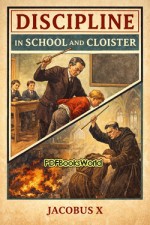
Jacobus X
Jacobus X. was a religious educator and author whose writings explored the principles of education, discipline, and moral formation within schools and religious communities. Although little is known about the author's personal life, his work reflects the educational philosophy of its time, emphasizing character development, orderly learning, and the cultivation of personal responsibility. Written from the perspective of early twentieth-century educational thought, Discipline in School and Cloister examines how discipline can contribute to intellectual growth, ethical conduct, and community life. Today, the book is appreciated as a historical resource that illustrates past approaches to education and religious instruction.
Education and Character Formation
During the late nineteenth and early twentieth centuries, educators placed considerable emphasis on discipline as an essential part of learning. Schools and religious institutions alike viewed structured routines, respect for authority, and consistent habits as important foundations for academic achievement and moral development. Discipline in School and Cloister reflects these ideas by discussing how guidance, self-control, and personal responsibility contribute to the educational process. While many educational practices have evolved since the book was written, its focus on developing character alongside knowledge remains an enduring theme.
The author presents discipline not merely as punishment but as a means of encouraging thoughtful behavior, perseverance, and respect within a learning community. This perspective illustrates the educational values that shaped many schools and religious institutions during the period.
A Historical Perspective on Teaching
In Discipline in School and Cloister, Jacobus X. considers the roles of teachers, students, and religious educators in fostering an environment conducive to learning and personal growth. The work discusses classroom order, habits of study, moral instruction, and the responsibilities shared by educators and learners. Because it was written within a specific historical and religious context, some of its methods and assumptions differ from modern educational practice. Nevertheless, the book remains valuable for readers interested in the history of education, religious teaching, and changing ideas about discipline and child development.
A Clear and Reflective Style
The author's writing is thoughtful, organized, and instructional, presenting educational principles through practical observations and reasoned discussion. Rather than offering a simple collection of rules, the book explores the broader purpose of discipline in shaping character and supporting lifelong learning. Its measured style makes it accessible to readers interested in educational history as well as those studying the development of teaching philosophies.
An Enduring Legacy
Although little biographical information survives about Jacobus X., Discipline in School and Cloister continues to provide insight into the educational ideals of its era. As a historical work, it documents how schools and religious communities understood discipline, responsibility, and moral education during the early twentieth century. Modern readers can approach the book as both an educational text and a reflection of its historical context, gaining a deeper appreciation for the evolution of teaching methods and educational philosophy. Visitors to PDF Books World can explore this public domain work to discover a thoughtful examination of discipline, learning, and character formation in the history of education.