
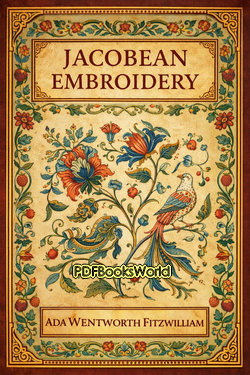
Jacobean Embroidery
by Ada Wentworth Fitzwilliam
Jacobean Embroidery and the Elegant Art of Needlework in Tudor and Stuart England
Decorative embroidery played an important role in fashion, interior design, and artistic expression during the Tudor and Jacobean periods. In Jacobean Embroidery: Its Forms and Fillings, Including Late Tudor, Louisa F. Pesel and associated textile scholars explore the intricate techniques, patterns, and artistic traditions that shaped English embroidery during the sixteenth and seventeenth centuries.
The book offers readers a detailed look at historical needlework styles, revealing how embroidery combined craftsmanship, symbolism, and decorative beauty within aristocratic and domestic life.
The Beauty of Jacobean and Tudor Needlework
Embroidery during this era often featured elaborate floral patterns, scrolling vines, animals, geometric shapes, and richly textured stitching techniques. These decorative designs appeared on clothing, furnishings, wall hangings, and ceremonial textiles.
The artistry of the work reflected both technical skill and the social importance of handcrafted decoration during the period.
Important Topics Explored in the Book
- Traditional Jacobean embroidery designs
- Late Tudor decorative needlework styles
- Historical stitching techniques and fillings
- The role of embroidery in domestic and court life
- The artistic symbolism of textile patterns
Embroidery as Both Art and Craft
Historical embroidery required patience, precision, and creativity. Skilled needleworkers carefully combined colors, textures, and stitching methods to produce richly detailed decorative pieces.
Many embroidered works also reflected wealth, education, and social status, particularly within noble households where fine textiles were highly valued.
Major Themes Found Throughout the Work
- The relationship between art and craftsmanship
- The preservation of historical decorative traditions
- The importance of handmade artistic skill
- The influence of nature on textile design
- The cultural significance of domestic arts
Why Historical Embroidery Still Fascinates Readers
Modern readers and textile enthusiasts continue studying historical embroidery because it preserves artistic traditions that connect craftsmanship with cultural history. Antique embroidery also provides valuable insight into historical fashion, design, and daily life.
The detailed patterns and technical methods found in Jacobean embroidery continue inspiring modern textile artists and designers today.
Readers interested in decorative arts often explore the history of embroidery and textile craftsmanship to better understand how historical needlework evolved across different artistic periods.
The Influence of Jacobean Design on Modern Textiles
Many classic Jacobean motifs remain popular in modern embroidery, interior design, and textile art. Flowing floral patterns, natural imagery, and ornamental stitching styles continue appearing in decorative fabrics and handcrafted projects worldwide.
The survival of these artistic traditions demonstrates the timeless appeal of historical craftsmanship and ornamental design.
Reasons the Book Continues to Hold Value
- Preserves historical embroidery techniques
- Provides insight into Tudor and Jacobean design
- Useful for textile historians and embroidery artists
- Celebrates craftsmanship and decorative art
- Connects historical tradition with modern creativity
The Lasting Legacy of Textile Art
Embroidery remains an important artistic tradition because it combines creativity, patience, and cultural expression in a highly personal form. Historical works continue inspiring admiration not only for their beauty but also for the remarkable skill required to create them.
Books like Jacobean Embroidery help preserve these traditions and introduce new generations to the artistry of historical needlework.
Final Thoughts
Jacobean Embroidery: Its Forms and Fillings, Including Late Tudor remains a valuable exploration of historical textile artistry and decorative craftsmanship. Through detailed examination of embroidery techniques and design traditions, the work preserves the beauty and cultural importance of English needlework from the Tudor and Jacobean eras. Its lasting artistic and historical significance continues to inspire readers interested in textiles, design, and decorative arts.
Similar Genres
About the Author
Ada Wentworth Fitzwilliam was an English author and researcher whose writings on historic needlework helped preserve the rich artistic heritage of British embroidery. Explore Ada Wentworth Fitzwilliam books to discover the author's life, literary career, and access notable works.