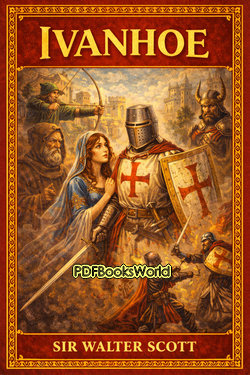
Ivanhoe
by Sir Walter Scott
An Epic Historical Adventure of Chivalry, Conflict, and Medieval England
Ivanhoe by Sir Walter Scott is one of the most famous historical novels in English literature. First published in 1819, the story is set in medieval England during the reign of King Richard the Lionheart and combines romance, warfare, political tension, and heroic adventure.
The novel follows the knight Wilfred of Ivanhoe as he returns from the Crusades and becomes involved in tournaments, battles, and conflicts between Saxons and Normans. Through vivid storytelling and historical detail, Scott helped popularize historical fiction and medieval romance.
About the Author
Sir Walter Scott was a Scottish novelist, poet, and historian widely regarded as one of the founders of the historical novel. His works blended historical events with fictional characters and dramatic storytelling.
Scott’s novels helped readers develop interest in medieval history, chivalry, and national identity while influencing writers across Europe and beyond.
Main Themes of the Novel
Ivanhoe explores themes of honor, loyalty, prejudice, romance, and political conflict during a turbulent period in English history.
Important Themes Discussed
- Chivalry and knightly honor
- Conflict between Saxons and Normans
- Justice, loyalty, and courage
- Religious and social prejudice
The novel also examines the tensions between different cultural groups and the changing nature of power and identity in medieval England.
The Adventures of Ivanhoe
After returning home, Ivanhoe becomes involved in dramatic tournaments, dangerous rescues, and political struggles connected to King Richard and Prince John.
One of the most memorable characters in the novel is Rebecca, whose intelligence, courage, and compassion add emotional depth to the story while highlighting themes of prejudice and injustice.
What Makes the Novel Unique
- Richly detailed medieval setting
- Blend of history, romance, and adventure
- Memorable heroic and emotional characters
Writing Style
Scott’s writing style is descriptive, dramatic, and historically immersive. He combines action, dialogue, and historical atmosphere to create a vivid picture of medieval life.
The novel balances adventure and romance with thoughtful reflections on politics, honor, and society.
Historical Importance
Ivanhoe became one of the defining works in the development of medieval historical fiction and romantic adventure literature. The novel strongly influenced later portrayals of knights, castles, tournaments, and medieval culture.
Historical Features
- Popularization of medieval historical fiction
- Influence on adventure and romance literature
- Revival of public interest in medieval history
The work also contributed to nineteenth-century fascination with chivalry, national identity, and heroic storytelling.
Lessons for Modern Readers
Modern readers continue to enjoy the novel because of its exciting adventures, memorable characters, and timeless themes of bravery and justice.
The story also encourages reflection on prejudice, loyalty, and the importance of moral courage during times of conflict and division.
Conclusion
Ivanhoe by Sir Walter Scott remains a timeless masterpiece of historical adventure and romance. Through vivid medieval storytelling and unforgettable characters, Scott created a novel that continues to inspire readers interested in history, heroism, and classic literature.
Similar Genres
About the Author
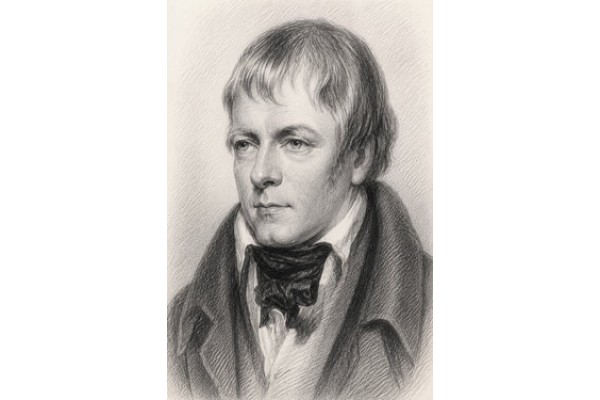
Sir Walter Scott was a Scottish novelist, poet, historian, and lawyer whose historical romances transformed nineteenth-century literature and established the modern historical novel as a major literary genre. Explore Sir Walter Scott books to discover the author's life, literary career, and access notable works, including Old Mortality , and more.