
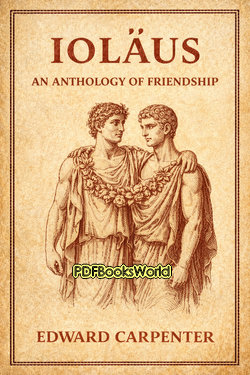
Iolaus
by Edward Carpenter
Friendship, Beauty, and the Search for a Meaningful Life
Iolaus by Edward Carpenter is a thoughtful and reflective work that explores the themes of friendship, personal development, human relationships, and the pursuit of a richer spiritual and emotional life. Drawing inspiration from classical traditions and philosophical ideals, Carpenter examines the ways in which deep personal bonds can influence character, inspire growth, and contribute to a more fulfilling existence.
Named after Iolaus, a figure from Greek mythology often associated with loyalty and companionship, the book goes beyond mythology to discuss broader questions about human connection. Carpenter presents friendship not simply as a social relationship but as a force capable of shaping individuals and society alike.
The Significance of the Title
In classical mythology, Iolaus is remembered as a trusted companion and ally. By choosing this name, Carpenter signals the importance of companionship and mutual support throughout the work. The title serves as a symbol for the enduring value of friendship and the positive influence that meaningful relationships can have on personal development.
The book uses this symbolic foundation to explore how people learn from one another, share experiences, and grow through genuine human connection.
A Celebration of Human Relationships
At the heart of the book is the belief that strong personal relationships contribute significantly to happiness and personal fulfillment. Carpenter argues that friendship can encourage honesty, understanding, and self-improvement. Such relationships provide opportunities for individuals to develop their character while offering support during life's challenges.
Rather than focusing on material success or social status, the author emphasizes qualities such as loyalty, trust, compassion, and mutual respect. These values remain central to his vision of a meaningful life.
Major Themes Explored in the Work
- Friendship: The importance of deep and lasting personal bonds.
- Personal Growth: Self-development through meaningful relationships.
- Beauty and Harmony: Appreciating both inner character and the world around us.
- Community: Building stronger societies through understanding and cooperation.
These themes give the book a timeless quality and connect it to broader discussions about human well-being and social life.
Edward Carpenter's Philosophical Outlook
Edward Carpenter was known for his interest in social reform, spirituality, and the improvement of human society. His writings often encouraged readers to question conventional assumptions and to seek more authentic ways of living. In Iolaus, these concerns appear through discussions of friendship, personal freedom, and the cultivation of positive values.
Carpenter believed that meaningful relationships could help individuals become more compassionate and self-aware. This perspective gives the book both a personal and social dimension.
The Influence of Classical Ideas
The work reflects Carpenter's admiration for classical literature and philosophy. Ancient Greek concepts of friendship, virtue, and personal excellence help shape many of the ideas presented in the book. By drawing on these traditions, Carpenter connects contemporary concerns with timeless questions about how people should live and relate to one another.
This blend of classical inspiration and modern reflection gives the book a distinctive character that continues to interest readers today.
Lessons Readers Can Take Away
- Value Genuine Friendships: Strong relationships enrich life and encourage growth.
- Seek Personal Improvement: Self-development is a lifelong process.
- Practice Understanding: Empathy strengthens human connections.
- Build Community: Positive relationships contribute to a healthier society.
These lessons remain relevant regardless of time or culture, highlighting the enduring importance of human connection.
Why Iolaus Remains Worth Reading
Iolaus continues to attract readers because of its thoughtful exploration of friendship, character, and personal fulfillment. Through a combination of philosophical reflection, classical inspiration, and social insight, Edward Carpenter presents a vision of life centered on meaningful relationships and mutual understanding. The book remains a valuable work for those interested in human nature, ethics, and the enduring power of companionship.
Similar Genres
About the Author
Edward Carpenter was an English poet, philosopher, social reformer, and writer whose works explored questions of human freedom, social justice, spirituality, and the relationship between individuals and society. A leading intellectual of the late nineteenth and early twentieth centuries, he advocated for equality, simple living, environmental appreciation, and personal authenticity. Explore Edward Carpenter books to discover the author's life, literary career, and access notable works.