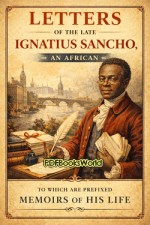
Ignatius Sancho
Ignatius Sancho was a British writer, composer, shopkeeper, and one of the earliest people of African heritage to achieve literary recognition in Britain. Born aboard a slave ship and later brought to England, Sancho overcame extraordinary hardships to become a respected intellectual and man of letters. His thoughtful correspondence, literary talent, and engagement with the cultural life of eighteenth-century Britain made him an important figure in both British literature and Black history.
Literary Career
Ignatius Sancho gained recognition primarily through his personal letters, which were published after his death and quickly attracted widespread attention. Addressed to friends, artists, politicians, and prominent members of society, his correspondence explored literature, music, politics, everyday life, and the moral issues of his time. His eloquent writing revealed a sharp intellect, a warm sense of humor, and a deep concern for justice and human dignity.
Beyond his literary achievements, Sancho was also an accomplished musician and composer, contributing to the cultural life of eighteenth-century London while earning the respect of many leading figures of the period.
Writing Style and Themes
Sancho wrote in a lively, graceful, and conversational style that blended wit with thoughtful reflection. His letters frequently explored themes such as friendship, morality, freedom, compassion, and social responsibility. He also spoke openly against the transatlantic slave trade, expressing his belief in the equality and dignity of all people. His writing remains admired for its humanity, intelligence, and literary elegance.
This distinctive voice has secured his place among the most important letter writers of the eighteenth century.
Contributions to English Literature
Ignatius Sancho made a lasting contribution to English literature by demonstrating the literary power of personal correspondence. His published letters offered valuable insights into British society while providing one of the earliest published perspectives of a Black writer in Britain. His life and writings have become significant sources for understanding eighteenth-century culture, abolitionist thought, and the history of Black intellectual achievement.
Today, scholars continue to study his work for its literary quality, historical importance, and enduring message of humanity and justice.
Important Works
- Letters of the Late Ignatius Sancho, an African – A celebrated collection of personal correspondence reflecting Sancho's wit, literary talent, and views on society, culture, and human freedom.
- Musical Compositions – Published dances and other musical works demonstrating his accomplishments as a composer.
- Essays and Correspondence – Writings that illuminate eighteenth-century British life, literature, and social thought.
Enduring Legacy
Ignatius Sancho is remembered as a pioneering literary figure whose letters remain among the most important works of eighteenth-century English prose. Through his thoughtful observations, eloquent style, and advocacy for human dignity, he helped broaden the literary and cultural landscape of Britain while inspiring future generations of writers and scholars. Today, his public domain works continue to be valued by readers interested in English literature, Black history, abolitionist thought, eighteenth-century society, and the enduring power of the written word.