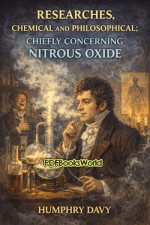
Humphry Davy
Humphry Davy was a British chemist, inventor, lecturer, and one of the most influential scientists of the nineteenth century. Renowned for his pioneering experiments in chemistry and electrochemistry, Davy transformed scientific understanding through groundbreaking discoveries of new chemical elements and innovative research methods. His inspiring public lectures and scientific writings helped make chemistry accessible to wider audiences while encouraging a new generation of researchers, including his famous assistant, Michael Faraday.
Scientific Career
Humphry Davy began his career conducting experimental research that quickly established him as one of Britain's leading scientists. His investigations into gases, electricity, and chemical reactions led to the isolation of several elements, including sodium, potassium, calcium, magnesium, barium, and strontium through electrolysis. He also invented the Davy safety lamp, an important innovation that improved safety for coal miners and demonstrated the practical value of scientific research.
As a leading figure at the Royal Institution, Davy became widely admired for his engaging lectures, which inspired public enthusiasm for science and promoted experimental investigation as the foundation of scientific progress.
Writing Style and Scientific Approach
Davy wrote in a clear, thoughtful, and analytical style that reflected his commitment to observation and experimentation. His scientific publications carefully explained experimental methods, evidence, and conclusions while encouraging readers to approach nature through careful inquiry. Alongside technical discussions, he often expressed a sense of wonder about the natural world, revealing the close relationship he saw between science, philosophy, and human curiosity.
This combination of rigorous research and accessible explanation helped establish his reputation as both a distinguished scientist and an influential science communicator.
Contributions to Chemistry
Humphry Davy made lasting contributions to modern chemistry by advancing the study of electrochemistry, chemical elements, and experimental science. His discoveries reshaped the understanding of chemical composition and laid important foundations for later developments in physics and chemistry. His mentorship of Michael Faraday further extended his influence, helping shape the future of scientific discovery.
Today, Davy's achievements continue to be recognized as milestones in the history of chemistry and experimental research.
Popular Works
- Researches Chemical and Philosophical – A collection of pioneering scientific papers exploring chemistry, electricity, and experimental philosophy.
- Elements of Chemical Philosophy – An influential work explaining the principles and discoveries of modern chemistry.
- Salmonia; or, Days of Fly Fishing – A reflective work blending natural history, philosophy, and conversations on science.
- Consolations in Travel – Philosophical dialogues exploring science, nature, and human thought.
- Bakerian Lectures – Landmark scientific papers presenting many of Davy's most significant discoveries.
Enduring Legacy
Humphry Davy is remembered as one of the greatest experimental scientists in history, whose discoveries transformed chemistry and inspired generations of researchers. Through innovative experimentation, influential scientific writings, and a passion for education, he expanded humanity's understanding of the natural world while demonstrating the practical benefits of scientific inquiry. Today, his public domain works continue to be essential reading for those interested in chemistry, the history of science, experimental research, and the remarkable achievements of one of Britain's foremost scientific pioneers.