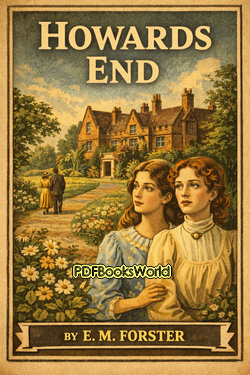
Howards End
by E. M. Forster
Class, Connection, and Modern Life in Howards End
Howards End by E. M. Forster is a thoughtful and emotionally rich novel about family, social class, relationships, and the changing nature of English society in the early 20th century. Widely considered one of Forster’s greatest works, the novel examines how people from very different backgrounds struggle to understand one another in a rapidly modernizing world.
At the center of the story is the idea that human connection matters more than wealth, status, or social division.
The Meaning of “Only Connect”
The novel’s most famous idea is expressed in the phrase:
“Only connect...”
This message reflects Forster’s belief that emotional understanding and human relationships are essential in a society divided by class, money, and ambition.
Throughout the story, characters attempt — and often fail — to truly understand one another.
The Three Central Families
The novel revolves around the lives of three very different groups whose relationships gradually become connected.
The Schlegel Sisters
Margaret and Helen Schlegel are intelligent and idealistic sisters who value culture, conversation, and emotional honesty.
The Wilcoxes
The wealthy Wilcox family represents business success, practicality, and social power in modern England.
Leonard Bast
Leonard is a lower-middle-class clerk struggling financially while trying to improve his life through education and culture.
The interactions between these characters create emotional conflict and social tension throughout the novel.
Main Themes in the Novel
- Social Class
The story explores divisions between wealthy families, intellectuals, and struggling workers. - Human Connection
Emotional understanding becomes more important than material success. - Modernization
Industrial progress and business expansion threaten traditional values and personal relationships. - Identity and Personal Growth
Several characters change emotionally as they confront difficult moral choices.
Why Howards End Matters
The house called Howards End becomes more than a physical location. It symbolizes:
- Stability and continuity
- Connection between people
- The relationship between past and future
- A more humane way of living
Its symbolic importance grows steadily throughout the novel.
E. M. Forster’s Writing Style
E. M. Forster writes with intelligence, emotional sensitivity, and quiet social criticism.
His style includes:
| Style Feature | Effect |
| Psychological realism | Characters feel emotionally believable |
| Social observation | Critiques class and cultural divisions |
| Symbolism | Places and objects gain deeper meaning |
| Thoughtful dialogue | Explores ideas through conversation |
Emotional and Social Complexity
Unlike simple romantic novels, Howards End focuses heavily on moral questions and emotional misunderstanding.
The novel explores:
Compassion, responsibility, prejudice, loneliness, social pressure, and the difficulty of balancing intellect with emotion.
Why Readers Still Connect With the Novel
Even today, the book feels modern because many of its concerns remain relevant:
- Economic inequality
- Social division
- Isolation in modern society
- The search for meaningful relationships
Its human insight continues to resonate with readers across generations.
Recommended For Readers Interested In
Classic English literature, social realism, literary fiction, psychological novels, early modern society, and character-driven storytelling.
Final Thoughts
Howards End by E. M. Forster is a deeply intelligent and emotionally moving novel about connection, class, and the human need for understanding.
Through memorable characters and thoughtful storytelling, Forster creates a timeless portrait of people searching for meaning and emotional truth within a changing world.
Similar Genres
About the Author
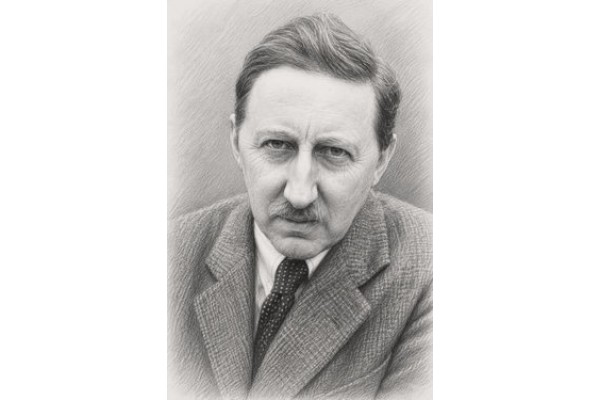
E. M. Forster, born Edward Morgan Forster, was an English novelist, essayist, and literary critic whose insightful explorations of human relationships, class, and culture established him as one of the greatest writers of the twentieth century. Explore E. M. Forster books to discover the author's life, literary career, and access notable works, including A Room with a View , and more.