
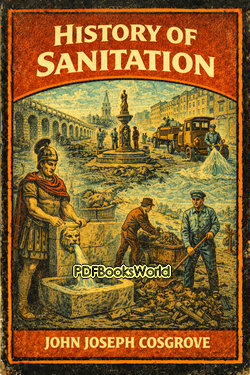
History of Sanitation
by John Joseph Cosgrove
How Clean Water, Sewers, and Public Health Changed Human Civilization
Cities overflowing with waste, polluted drinking water, epidemic disease, overcrowded streets, and dangerous living conditions once threatened millions of lives before modern sanitation transformed urban society. History of Sanitation by John Joseph Cosgrove examines the long and difficult struggle to improve cleanliness, waste management, water systems, and public health across human history.
The book reveals that sanitation was not merely a technical issue, but one of the most important foundations of modern civilization.
Life Before Modern Sanitation
For much of history, many towns and cities lacked organized systems for sewage disposal, garbage collection, and safe drinking water.
Human waste frequently contaminated streets and rivers, helping diseases spread rapidly through crowded populations.
The consequences included:
- Cholera and typhoid outbreaks
- High infant mortality
- Contaminated water supplies
- Unsafe urban living conditions
The book demonstrates how closely public health depended on sanitation infrastructure.
The Ancient Origins of Hygiene Systems
Cosgrove traces sanitation practices back to ancient civilizations that recognized the importance of water management and cleanliness.
Readers encounter discussions involving:
- Roman aqueducts and sewer systems
- Public baths and drainage engineering
- Early urban planning efforts
- Primitive waste disposal methods
Some ancient societies developed surprisingly advanced systems compared with later historical periods.
The Rise of Modern Public Health
One of the book’s central themes is the gradual realization that sanitation directly affects disease prevention.
Scientific discoveries about bacteria, contamination, and infection transformed attitudes toward hygiene during the nineteenth century.
Governments and reformers increasingly recognized that clean water and sewage systems were essential for protecting entire populations.
This shift led to massive infrastructure projects in growing industrial cities.
Engineering and Urban Transformation
Modern sanitation required enormous technological and organizational effort.
The book explores how engineers, city planners, physicians, and public officials worked to create:
- Underground sewer networks
- Water purification systems
- Waste removal programs
- Public hygiene regulations
These developments dramatically reduced disease and improved urban life.
The Social Importance of Sanitation
Beyond engineering, the book emphasizes sanitation as a social and humanitarian issue.
Improved public health affected:
- Life expectancy
- Child survival rates
- Workplace productivity
- The overall growth of modern cities
Cleanliness became closely associated with social progress and civic responsibility.
Why History of Sanitation Still Matters Today
History of Sanitation remains highly relevant because access to clean water and effective sanitation continues to shape global public health. Many modern societies still confront challenges involving infrastructure, pollution, and disease prevention.
For readers interested in public health, urban history, engineering, medical history, and social reform, John Joseph Cosgrove’s book offers a revealing account of how sanitation helped transform human civilization and everyday life.
Similar Genres
About the Author
John Joseph Cosgrove was an American physician, public health advocate, and author whose work focused on the importance of sanitation, hygiene, and preventive medicine. Explore John Joseph Cosgrove books to discover the author's life, literary career, and access notable works.