
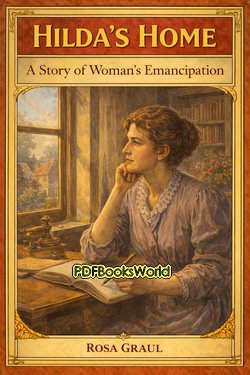
Hilda's Home: A Story of Woman's Emancipation
by Rosa Graul
A Novel of Independence and Changing Opportunities
Published during a period of significant social change, Hilda's Home: A Story of Woman's Emancipation by Rosa Graul explores the evolving role of women in society and the search for personal freedom. The novel reflects the growing discussions of women's rights, education, employment, and self-determination that characterized the late nineteenth and early twentieth centuries. Through its narrative, Graul examines what it means for a woman to build a life according to her own values rather than solely according to social expectations.
More than a domestic story, the book presents a thoughtful consideration of independence, identity, and the challenges faced by women seeking greater control over their futures.
The Meaning of "Home"
The title suggests a physical dwelling, yet the novel treats home as something broader. For Hilda, the concept includes security, personal dignity, emotional fulfillment, and the freedom to make important decisions. Her journey raises questions about whether a true home is defined by tradition, family expectations, or personal choice.
As the story progresses, readers see how these competing ideas shape both relationships and ambitions.
Characters
- Hilda: The central figure whose experiences reflect the aspirations and struggles of women seeking greater independence.
- Family Members: Relatives whose beliefs and expectations influence Hilda's choices and development.
- Friends and Supporters: Individuals who encourage new ways of thinking about education, work, and personal freedom.
- Members of Society: Characters representing traditional attitudes and the social conventions of the period.
More Than a Personal Story
While the novel follows Hilda's individual experiences, it also reflects broader social debates. Questions concerning women's education, economic opportunities, and legal rights form an important backdrop to the narrative. Graul uses personal relationships and everyday situations to illustrate larger issues affecting many women of her era.
This approach allows social commentary to emerge naturally through the story rather than through direct argument.
Central Ideas in the Novel
Self-Reliance: The importance of developing independence and confidence.
Education: Knowledge as a pathway to opportunity and personal growth.
Equality: Examining the position of women within society and family life.
Identity: The search for a meaningful life shaped by individual choice.
Women and Social Change
The novel belongs to a tradition of fiction that addressed changing attitudes toward gender roles. During the period in which it was written, many women were advocating for greater educational opportunities, professional careers, and political participation. Hilda's experiences reflect these wider movements while remaining grounded in the realities of everyday life.
Readers gain insight into both the obstacles and possibilities that accompanied social transformation.
A Blend of Storytelling and Social Reflection
Graul balances narrative interest with thoughtful discussion of contemporary issues. Relationships, personal decisions, and emotional conflicts keep the story engaging, while the broader themes encourage readers to reflect on questions of fairness and personal freedom.
The novel's enduring value lies in this combination of human drama and social observation.
Why the Book Remains Interesting
- Explores the historical movement toward women's independence.
- Presents a strong central character facing meaningful choices.
- Offers insight into social attitudes of its era.
- Combines personal storytelling with broader cultural themes.
A Reflection on Freedom and Responsibility
Hilda's Home: A Story of Woman's Emancipation remains a noteworthy example of fiction addressing social change through the experiences of an individual woman. Rosa Graul uses Hilda's journey to explore questions of independence, opportunity, and personal fulfillment, creating a novel that is both historically significant and emotionally engaging. Readers interested in women's history, social reform, and character-driven fiction will find much to appreciate in its pages.
Similar Genres
About the Author
Rosa Graul was a novelist whose fiction explored the changing roles of women and the social transformations of the late nineteenth and early twentieth centuries. Writing during an era marked by growing discussions about education, employment, and equal opportunities, Graul used storytelling to examine the aspirations and challenges faced by women seeking greater independence. Explore Rosa Graul books to discover the author's life, literary career, and access notable works.