
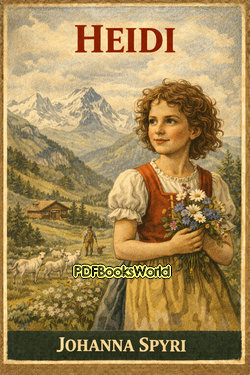
Heidi
by Johanna Spyri
Childhood Joy, Mountain Life, and the Healing Power of Nature in a Timeless Classic
Snowy Alpine peaks, green meadows filled with wildflowers, goats wandering along mountain paths, and the warmth of simple human kindness define the beloved world of Heidi by Johanna Spyri. Since its publication in the nineteenth century, the novel has become one of the most cherished children’s classics, celebrated for its emotional warmth, memorable characters, and deep appreciation for nature, family, and compassion.
The story combines gentle adventure with emotional sincerity, creating a portrait of childhood that continues to resonate across generations.
A Child Sent to the Mountains
The story begins when young Heidi is sent to live with her grandfather in a remote Alpine cabin high in the Swiss mountains. Her grandfather, initially viewed by others as harsh and isolated, lives quietly among the peaks with little connection to village society.
Heidi’s cheerful personality gradually transforms the emotional atmosphere around her.
Her curiosity, kindness, and enthusiasm help restore warmth and connection within a household shaped by loneliness and silence.
The Beauty and Comfort of the Alps
Nature plays a central role throughout the novel. The mountains are not simply scenery, but a source of emotional healing, freedom, and spiritual comfort.
Spyri vividly describes:
- Sunny pastures and fresh mountain air
- Goatherds and wandering animals
- Seasonal changes across the Alpine landscape
- The peaceful rhythms of rural life
The natural world becomes deeply connected with happiness and emotional well-being.
Friendship, Compassion, and Emotional Growth
As Heidi encounters new people, the novel explores how kindness and companionship can transform lives.
Her friendship with Clara, a physically fragile girl living in the city, introduces themes involving loneliness, health, and emotional support.
The contrast between the crowded urban environment and the open mountain landscape becomes especially important within the story.
Spyri suggests that love, simplicity, and connection to nature possess restorative power.
A Story About Home and Belonging
One of the novel’s deepest emotional themes involves the longing for home and emotional security.
Heidi experiences displacement, homesickness, and separation, yet she continually seeks places where affection and understanding exist.
The novel portrays home not merely as location, but as an emotional environment shaped by care, trust, and acceptance.
This emotional sincerity contributes greatly to the book’s lasting appeal.
The Style and Warmth of Johanna Spyri
Spyri writes with simplicity, tenderness, and vivid appreciation for childhood feeling. Her prose remains accessible while carrying strong emotional resonance.
The narrative balances gentle moral lessons with warmth and natural beauty rather than heavy instruction.
The calm rhythm of the storytelling gives the novel its comforting atmosphere.
Why Heidi Still Captivates Readers
Heidi continues to enchant readers because its themes remain timeless. Childhood innocence, friendship, emotional healing, family connection, and the restorative beauty of nature continue to speak to people across cultures and generations.
For readers interested in classic children’s literature, pastoral storytelling, emotional coming-of-age narratives, and comforting tales centered on kindness and resilience, Johanna Spyri’s novel remains one of the world’s most enduring literary treasures.
Similar Genres
About the Author
Johanna Spyri was a Swiss novelist whose heartfelt stories for children have delighted readers for generations. Deeply inspired by the beauty of the Swiss Alps and the values of family, kindness, and faith, Spyri created timeless works that celebrate childhood, compassion, and the healing power of nature. Explore Johanna Spyri books to discover the author's life, literary career, and access notable works.