
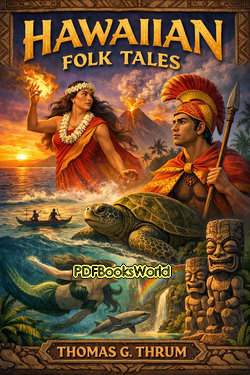
Hawaiian Folk Tales
by Thomas G. Thrum
A Rich Collection of Legends, Myths, and Traditional Hawaiian Storytelling
Hawaiian Folk Tales is a fascinating collection of traditional stories that preserve the myths, legends, heroes, spirits, and cultural beliefs of the Hawaiian Islands. These tales were passed down through generations by oral storytelling before eventually being recorded in written form.
The stories explore the relationship between people, nature, the ocean, volcanoes, gods, and ancestral spirits while reflecting the values and imagination of Hawaiian culture. The collection remains important in the preservation of Hawaiian mythology and Polynesian storytelling traditions.
Origins of the Folk Tales
Hawaiian folk tales emerged from centuries of oral tradition in which storytellers shared history, spiritual beliefs, and cultural lessons through memorable narratives.
These stories often featured gods, shape-shifting beings, heroic travelers, magical creatures, and natural forces connected to the islands and the sea.
Main Themes of the Collection
The tales explore themes connected to spirituality, courage, wisdom, family, and the deep connection between humanity and nature.
Important Themes Discussed
- Nature, oceans, and volcanic power
- Gods, spirits, and supernatural beings
- Heroic journeys and adventure
- Respect for tradition and community
The stories also emphasize balance, respect for the natural world, and the importance of cultural memory.
The World of Hawaiian Mythology
Many tales involve legendary figures such as Pele, the goddess of volcanoes and fire, whose power and emotional intensity appear throughout Hawaiian mythology.
Other stories describe ocean voyages, magical transformations, hidden lands, and encounters with spirits that shape both individual lives and entire communities.
What Makes the Collection Unique
- Strong connection between mythology and nature
- Preservation of oral storytelling traditions
- Rich cultural and spiritual symbolism
Writing Style
The storytelling style is vivid, imaginative, and deeply connected to oral tradition. The tales often combine poetic imagery, dramatic action, and moral reflection.
The simple yet symbolic narratives allow readers to appreciate both entertainment and cultural meaning.
Historical Importance
Hawaiian Folk Tales became an important contribution to the preservation of Polynesian cultural heritage and traditional mythology. Recording these stories helped protect Hawaiian oral traditions during periods of cultural and political change.
Historical Features
- Preservation of Hawaiian oral traditions
- Insight into Polynesian spiritual beliefs
- Influence on cultural and folkloric studies
The collection also reflects the importance of storytelling in preserving identity, history, and community values.
Lessons for Modern Readers
Modern readers continue to enjoy these tales because they combine adventure, spirituality, and cultural wisdom in imaginative ways.
The stories also encourage respect for nature, tradition, and the diverse cultural histories that shape human societies.
Conclusion
Hawaiian Folk Tales remains a valuable and enchanting collection of myths and legends from the Hawaiian Islands. Through vivid storytelling and cultural symbolism, these tales continue to preserve the spirit, imagination, and traditions of Hawaiian heritage for readers around the world.
Similar Genres
About the Author
Thomas G. Thrum was a Scottish-born Hawaiian publisher, editor, historian, and folklorist whose work played a vital role in preserving the traditions and cultural heritage of the Hawaiian Islands. After settling in Hawaii, he devoted much of his career to collecting historical records, local customs, legends, and oral traditions that might otherwise have been lost. Explore Thomas G. Thrum books to discover the author's life, literary career, and access notable works.