Gilbert Livingstone Wilson
Gilbert Livingstone Wilson was an American anthropologist, educator, and ethnographer whose research preserved the traditions, history, and daily life of the Indigenous peoples of the North American Plains. A student of the renowned anthropologist Franz Boas, Wilson devoted much of his career to documenting the culture of the Hidatsa people through firsthand interviews and careful fieldwork. His writings remain valuable for their respectful presentation of Indigenous knowledge and their contribution to American anthropology.
Academic Career
Gilbert Livingstone Wilson specialized in the study of Native American cultures, conducting extensive research among the Hidatsa of present-day North Dakota. Rather than relying solely on secondhand accounts, he worked closely with Indigenous storytellers and community members, recording their memories, customs, agricultural practices, ceremonies, and oral traditions. His collaborative approach helped preserve cultural knowledge that might otherwise have been lost during a period of rapid social change.
Wilson's publications reflected his commitment to presenting Indigenous perspectives with accuracy and respect, making his work valuable to scholars as well as general readers.
Writing Style and Themes
Wilson wrote in a clear, engaging, and carefully documented style that combined scholarly research with accessible storytelling. His works frequently explored themes such as cultural heritage, family, community, tradition, resilience, education, and the relationship between people and the natural world. By allowing Indigenous voices to remain central to his narratives, he created works that were both informative and deeply human.
This thoughtful approach helped readers gain a richer understanding of Native American life beyond the stereotypes that were common in earlier historical writing.
Contributions to Anthropology
Gilbert Livingstone Wilson made lasting contributions by preserving firsthand accounts of Indigenous history and culture through careful ethnographic research. His documentation of Hidatsa traditions, agricultural knowledge, and oral history continues to serve as an important resource for anthropologists, historians, educators, and Native communities. His work stands as an example of the value of recording cultural knowledge through respectful collaboration with the people whose stories are being told.
Today, his publications remain significant for readers interested in anthropology, Indigenous history, and the preservation of cultural heritage.
Popular Works
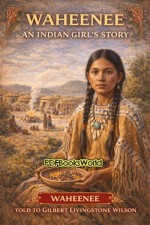
- Waheenee: An Indian Girl's Story – A moving narrative portraying the life, traditions, and experiences of a Hidatsa girl from an Indigenous perspective.
- Buffalo Bird Woman's Garden – A classic ethnographic account of Hidatsa agriculture, daily life, and cultural traditions.
- Indian Hero Tales – A collection of traditional Native American stories celebrating courage, wisdom, and cultural values.
- Agriculture of the Hidatsa Indians – A detailed study of Indigenous farming practices and their historical importance.
Enduring Legacy
Gilbert Livingstone Wilson is remembered as a dedicated anthropologist whose careful research preserved the voices and traditions of the Indigenous peoples of the North American Plains. Through his ethnographic studies and engaging narratives, he helped foster a deeper appreciation of Native American history, culture, and knowledge. Today, his public domain works continue to serve as valuable resources for readers interested in anthropology, Indigenous studies, American history, and the rich cultural heritage of the Hidatsa people.