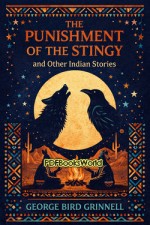
George Bird Grinnell
George Bird Grinnell was an American naturalist, ethnographer, conservationist, historian, and author whose work played a vital role in preserving both the natural landscapes of North America and the cultural traditions of its Indigenous peoples. A pioneering advocate for wildlife conservation, Grinnell helped establish important national parks and worked tirelessly to protect endangered species such as the American bison. Alongside his conservation efforts, he documented Indigenous histories, oral traditions, and ways of life, leaving behind an invaluable body of historical and ethnographic literature.
Career in Conservation and Research
George Bird Grinnell devoted his life to studying the natural world and the cultures of the Great Plains. Trained as a zoologist, he participated in scientific expeditions across the American West, where he developed lasting relationships with several Native American communities. His firsthand observations provided the foundation for books that combined careful research with a deep respect for both nature and Indigenous knowledge.
Grinnell also founded and edited influential outdoor publications, using journalism as a platform to advocate for wildlife preservation and responsible stewardship of natural resources. His efforts contributed significantly to the early conservation movement in the United States.
Literary Style and Field Research
Grinnell wrote in a clear, descriptive, and well-documented style that reflected his commitment to accuracy and firsthand observation. Whether describing wildlife, frontier life, or Indigenous traditions, he combined historical detail with engaging storytelling that appealed to scholars and general readers alike. His ability to present complex cultural and environmental subjects in an accessible manner made his books widely respected.
His writing remains especially valuable because much of it was based on direct conversations and experiences with the people and landscapes he documented.
Contributions to History and Anthropology
One of Grinnell's greatest achievements was preserving Indigenous oral traditions and historical knowledge at a time when many cultural practices faced significant disruption. He documented stories, ceremonies, customs, and historical events with care, creating important records that continue to support historical and anthropological research. Modern readers recognize that these works reflect the scholarly practices of their time while remaining significant historical sources that complement the voices and scholarship of Indigenous communities.
His conservation work likewise helped shape public awareness of wildlife protection and the importance of preserving America's natural heritage.
Selected Publications
- The Punishment of the Stingy, and Other Indian Stories – A collection of traditional Indigenous stories recorded and preserved through Grinnell's research.
- Blackfoot Lodge Tales – A landmark study of the traditions, history, and stories of the Blackfeet people.
- The Cheyenne Indians – A comprehensive account of Cheyenne history, culture, and social life.
- American Big Game in Its Haunts – A work celebrating North American wildlife and conservation.
- Pawnee Hero Stories and Folk-Tales – A collection preserving the oral traditions of the Pawnee people.
Enduring Legacy
George Bird Grinnell is remembered as one of the foremost conservationists and ethnographers of his generation. Through his dedication to protecting wildlife and documenting Indigenous cultures, he preserved invaluable aspects of North America's natural and cultural heritage. His books continue to serve as important historical resources for readers interested in conservation, anthropology, Indigenous history, and the American West. Today, his public domain writings remain widely valued for their careful research, historical significance, and lasting contribution to environmental and cultural preservation.