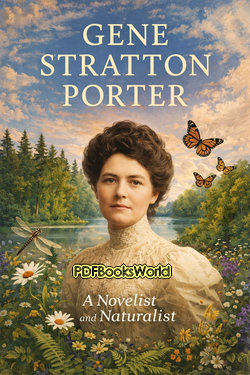
Gene Stratton Porter
by Anonymous
Nature, Conservation, and Literary Life in Rural America
Gene Stratton Porter by Anonymous is a biographical and literary work examining the life, writings, and environmental influence of Gene Stratton-Porter, one of the most popular American nature writers and novelists of the early twentieth century. The account explores her achievements as an author, naturalist, photographer, and conservation advocate whose works celebrated the beauty of the natural world and rural American life.
The narrative presents Stratton-Porter not merely as a successful novelist, but as a cultural figure deeply committed to preserving nature and encouraging appreciation for wildlife and the environment.
The Life and Career of Gene Stratton-Porter
The work traces Stratton-Porter’s development as a writer and naturalist, particularly her connection with the wetlands, forests, and rural landscapes of Indiana. Her careful observation of birds, plants, and outdoor environments strongly influenced both her fiction and nonfiction writing.
Through novels, essays, and photography, she introduced readers to vivid descriptions of wildlife and countryside settings while promoting emotional respect for nature. Her literary success allowed her to become one of the best-known women authors of her time.
Rather than separating literature from environmental awareness, Stratton-Porter combined storytelling with ecological appreciation and educational purpose.
Nature and Conservation
A major theme throughout the account is the importance of preserving natural environments from destruction caused by industrial expansion and careless development. Stratton-Porter repeatedly emphasized the beauty and ecological value of wetlands, forests, and wildlife habitats.
The work also reflects early twentieth-century conservation movements encouraging scientific observation, outdoor education, and protection of natural resources. Her writing helped popularize interest in birds, wildflowers, and environmental preservation among general readers.
At the same time, the biography highlights her independence and achievement within a literary world often dominated by male writers and publishers.
This combination of literary history and environmental reflection gives the work lasting cultural interest.
Literary and Historical Themes Explored Throughout the Work
- Nature Writing and Conservation: Literature encourages appreciation for wildlife and natural beauty.
- Women in American Literature: Stratton-Porter achieved major success as a female author and public figure.
- Environmental Awareness: The work promotes preservation of forests, wetlands, and wildlife.
- Rural American Life: Countryside landscapes shape emotional and cultural identity.
- Art, Photography, and Observation: Careful study of nature becomes both scientific and artistic.
The Work’s Biographical Style
Gene Stratton Porter uses a respectful and informative narrative style focused upon literary achievement, environmental advocacy, and personal character. The anonymous author combines biographical detail with admiration for Stratton-Porter’s artistic and conservation efforts.
The work consistently presents her as a writer whose creativity and environmental concern remained closely connected.
Why the Book Still Holds Historical Interest
Modern readers continue finding Gene Stratton Porter valuable because it preserves insight into one of America’s most influential nature writers and early conservation advocates. The account also reflects changing attitudes toward wildlife preservation, women’s authorship, and environmental responsibility during the early twentieth century.
Its themes of conservation, literature, photography, rural life, and women’s achievement continue appealing to readers interested in environmental history, American literature, biography, and nature writing.