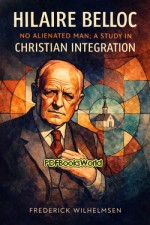
Frederick Wilhelmsen
Frederick D. Wilhelmsen, or Frederick David Wilhelmsen, was an American philosopher, political thinker, educator, and author whose writings explored political philosophy, religion, culture, and Western intellectual history. A respected professor and influential Catholic scholar, Wilhelmsen devoted much of his career to examining the philosophical foundations of civilization and the relationship between faith, politics, and society. His thoughtful books combined rigorous scholarship with clear argument, earning him recognition as an important voice in twentieth-century conservative and philosophical thought.
Academic Career
Frederick Wilhelmsen spent many years teaching philosophy at the university level, where he specialized in metaphysics, political philosophy, and the history of ideas. His lectures and publications encouraged students to engage deeply with classical philosophy while considering its relevance to modern political and cultural questions. Drawing inspiration from thinkers such as Aristotle and Thomas Aquinas, he developed a distinctive philosophical perspective that emphasized reason, tradition, and the enduring importance of moral principles.
His academic work established him as a respected interpreter of both classical and modern philosophical traditions.
Writing Style and Intellectual Approach
Wilhelmsen wrote in a thoughtful, analytical, and engaging style that balanced scholarly precision with readability. His books explored complex philosophical concepts through historical examples and logical argument, making challenging ideas more approachable for dedicated readers. Whether discussing political theory, religion, or cultural history, he encouraged careful reflection and intellectual inquiry rather than simple conclusions.
This balanced approach made his writings valuable to students, scholars, and readers interested in the development of Western thought.
Contributions to Philosophy and Political Thought
Frederick Wilhelmsen made significant contributions through his studies of political philosophy, Christian thought, and cultural history. His writings examined the foundations of political order, the importance of moral responsibility, and the role of tradition in shaping civilization. He also produced insightful works on notable historical figures and influential writers, demonstrating how biography and intellectual history could illuminate broader philosophical questions.
His publications continue to be appreciated for their depth, historical perspective, and careful engagement with enduring philosophical issues.
Major Works
- Hilaire Belloc: No Alienated Man – A study of the life, ideas, and literary legacy of Hilaire Belloc.
- Man's Knowledge of Reality – A philosophical exploration of metaphysics and human understanding.
- Christianity and Political Philosophy – Essays examining the relationship between faith and political life.
- Philosophical and Cultural Studies – Writings on Western civilization, ethics, and the history of ideas.
Enduring Legacy
Frederick Wilhelmsen is remembered as a distinguished philosopher and educator whose writings encouraged thoughtful engagement with the enduring questions of politics, culture, and human nature. Through his scholarship, teaching, and insightful books, he helped preserve and interpret the philosophical traditions that have shaped Western civilization. Today, his works continue to attract readers interested in political philosophy, intellectual history, religious thought, and the lasting influence of classical ideas on the modern world.