Frederick C. Lincoln
Frederick C. Lincoln, born Frederick Charles Lincoln, was an American ornithologist, conservationist, and wildlife biologist whose pioneering research transformed the scientific understanding of bird migration across North America. Born in Washington, D.C., in 1892, Lincoln devoted his career to the United States Biological Survey and later the U.S. Fish and Wildlife Service, where he developed innovative bird-banding techniques that became essential tools for studying migration patterns. His meticulous research helped reveal the seasonal movements, breeding habits, and conservation needs of countless bird species, making him one of the most influential figures in twentieth-century ornithology.
Advancing the Science of Bird Migration
Frederick C. Lincoln believed that careful observation and scientific research were vital to understanding and protecting wildlife. His publications explained the remarkable journeys undertaken by migratory birds, translating complex scientific findings into accessible language for both researchers and nature enthusiasts. Through decades of fieldwork and analysis, Lincoln demonstrated how migration connects ecosystems across continents and emphasized the importance of conserving habitats essential to the survival of bird populations. His work continues to guide ornithologists, conservationists, and birdwatchers around the world.
Beyond his groundbreaking research, Lincoln played a major role in promoting wildlife conservation and public appreciation of birds. His writings remain foundational references for anyone interested in ornithology, migration, and the natural world.
Essential Works
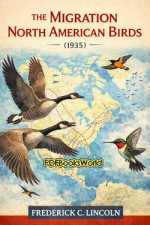
- The Migration of North American Birds (1935) is Lincoln's landmark study explaining the seasonal movements of North American bird species through scientific research, bird-banding data, and detailed observations.
- Migration of Birds (1979) presents a comprehensive overview of bird migration, exploring the biological mechanisms, environmental influences, and remarkable navigational abilities that enable birds to travel vast distances.
- Bird Banding explains the principles and practical methods of bird-banding, highlighting its importance in understanding migration, longevity, and population dynamics.
- Waterfowl Flyways of North America examines the major migration routes followed by ducks, geese, and other waterfowl, emphasizing their ecological and conservation significance.
- Conservation Studies of Migratory Birds reflects Lincoln's lifelong commitment to protecting migratory species through scientific research and habitat preservation.
An Enduring Legacy in Ornithology
Frederick C. Lincoln's writings continue to educate readers through their scientific accuracy, clarity, and lasting contribution to wildlife conservation. From The Migration of North American Birds (1935) and Migration of Birds (1979) to his studies on bird banding and migratory flyways, his works remain essential references in ornithology and conservation biology. His enduring legacy continues to inspire researchers, birdwatchers, and nature enthusiasts to better understand and protect the remarkable phenomenon of bird migration.
If you enjoy ornithology, wildlife conservation, natural history, and scientific explorations of the living world, the works of Frederick C. Lincoln are well worth exploring. At PDFBooksWorld, you can discover a carefully curated collection of his enduring writings and gain a deeper appreciation for the extraordinary journeys of North America's migratory birds.
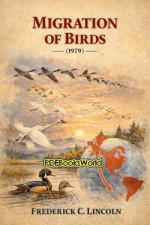
Migration of Birds (1979)
Frederick C. Lincoln