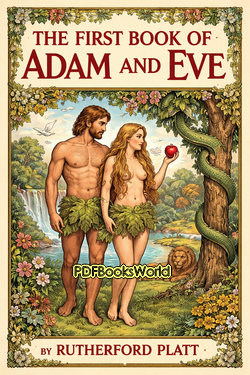
First Book of Adam and Eve
by Rutherford Platt
Creation Traditions, Ancient Legends, and the Earliest Stories of Humanity
First Book of Adam and Eve by Rutherford Platt is a translated and edited presentation of ancient religious and legendary writings expanding upon the biblical story of Adam and Eve. The work belongs to the tradition of apocryphal and pseudepigraphal literature, texts that explore events surrounding creation, the Garden of Eden, the Fall, and the earliest generations of humanity beyond the brief account found in the Book of Genesis.
Platt presents these ancient narratives as historically and culturally important religious traditions that reveal how earlier societies imagined humanity’s origins, moral struggles, and relationship with the divine.
The Story Beyond Genesis
The book expands the familiar biblical account by describing the lives of Adam and Eve after their expulsion from Eden. It explores their hardships, repentance, family life, encounters with temptation, and attempts to survive in a changed world marked by suffering and mortality.
The narrative also includes interactions with angels, visions, prophetic revelations, and symbolic spiritual lessons intended to explain the consequences of disobedience and the hope of eventual redemption.
Rather than functioning strictly as historical record, the work operates as religious storytelling shaped by centuries of oral tradition, theological reflection, and spiritual interpretation.
The volume reflects the long tradition of ancient Jewish, Christian, and Near Eastern writings seeking to fill narrative gaps left within canonical scripture.
Its tone combines religious symbolism with legendary storytelling and moral instruction.
The Human Condition After the Fall
A major theme throughout the book is the transformation of human life after the loss of paradise.
Adam and Eve are portrayed as figures struggling with sorrow, labor, temptation, separation from divine perfection, and the burdens of earthly existence.
The work repeatedly emphasizes repentance, endurance, obedience, and faith as necessary responses to suffering and moral failure.
This spiritual focus reflects the broader religious tradition of interpreting the Fall as both punishment and opportunity for redemption.
Religious and Symbolic Themes Explored Throughout the Book
- The Expulsion from Eden: The story examines humanity’s transition from paradise into mortal earthly life.
- Temptation, Sin, and Repentance: Adam and Eve struggle with guilt, suffering, and spiritual restoration.
- Angels and Divine Guidance: Supernatural beings appear as messengers, protectors, and symbols of divine authority.
- The Origins of Human Suffering: The work explores labor, death, hardship, and separation from perfection.
- Faith and Redemption: Spiritual endurance and hope remain central despite loss and punishment.
The book reflects the enduring human desire to understand creation, morality, and the origins of suffering through narrative and symbolism.
Ancient Religious Imagination and Storytelling
One of the work’s strongest ideas is that sacred stories often evolve through generations of interpretation, reflection, and cultural imagination.
The expanded narratives surrounding Adam and Eve attempt to answer questions left unexplored within shorter biblical accounts while deepening the emotional and spiritual dimensions of the story.
The book also reveals how ancient communities used storytelling to explore themes of justice, mortality, temptation, and divine mercy.
This blending of theology and legend gives the work lasting literary and cultural fascination.
Rutherford Platt’s Role in Preserving Ancient Texts
First Book of Adam and Eve demonstrates Rutherford Platt’s effort to introduce ancient religious writings and apocryphal traditions to modern readers through translation and accessible presentation.
The writing preserves the solemn, symbolic, and devotional atmosphere characteristic of early religious literature while making the material easier for contemporary audiences to approach.
Platt consistently presents these texts as valuable historical and spiritual documents reflecting humanity’s long engagement with sacred tradition.
Why the Book Still Holds Religious and Historical Interest
Modern readers continue finding First Book of Adam and Eve intriguing because it offers a broader legendary interpretation of one of the most influential stories in religious history.
The book also provides insight into ancient apocryphal traditions and the ways different cultures expanded upon biblical narratives through imaginative theology and symbolic storytelling.
Its themes of temptation, suffering, repentance, and hope continue resonating with readers interested in spiritual literature and the origins of religious myth.
For readers interested in apocryphal writings, biblical traditions, religious history, ancient legends, theology, and sacred storytelling, this work remains culturally fascinating, spiritually symbolic, and historically significant.
Similar Genres
About the Author
Rutherford Platt was an American naturalist, conservation writer, and author best known for introducing readers to the remarkable diversity of the natural world through engaging and accessible books. Writing during the mid-twentieth century, Platt combined scientific knowledge with vivid storytelling to make plants, animals, insects, and ecosystems fascinating to readers of all ages. Explore Rutherford Platt books to discover the author's life, literary career, and access notable works, including First Book of Adam and Eve , and more.