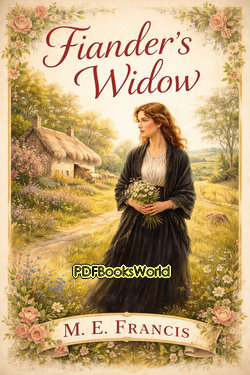
Fiander's Widow: A Novel
by M. E. Francis
A Rural Novel of Character, Community, and Personal Renewal
Fiander's Widow: A Novel by M. E. Francis is a thoughtful work of English rural fiction that explores the lives of ordinary people facing change, loss, and the demands of community life. Known for her sensitive portrayals of countryside settings and human relationships, Francis creates a story centered on a widow whose circumstances place her at the heart of social, emotional, and moral challenges. The novel combines realism with compassion, offering a vivid picture of life in a close-knit rural society.
A New Chapter After Loss
The story begins with a woman confronting life after the death of her husband. Widowhood brings practical difficulties as well as emotional adjustments, requiring her to navigate responsibilities, relationships, and expectations that have suddenly changed. Her journey forms the emotional core of the narrative.
The novel examines how individuals rebuild their lives after profound personal loss.
Major Characters
- Mrs. Fiander: The widow whose experiences shape the course of the story.
- Family Members: Relatives whose interests and concerns influence events.
- Neighbors and Villagers: Members of the local community who offer support, criticism, or advice.
- Friends and Admirers: Characters whose relationships contribute to the novel's emotional complexity.
Themes Explored Throughout the Novel
- Resilience: Recovering from hardship and adapting to change.
- Community: The influence of village life and social connections.
- Independence: Establishing a sense of purpose and self-reliance.
- Compassion: Understanding the struggles of others.
- Personal Growth: Transformation through experience and reflection.
The Rural Setting
Francis was particularly skilled at depicting the rhythms and realities of countryside life. The village environment shapes the actions of the characters, creating a world in which reputation, neighborly relationships, and shared traditions play significant roles.
The setting provides authenticity and warmth to the narrative.
M. E. Francis and Social Realism
M. E. Francis earned recognition for her realistic portrayals of rural communities and the people who inhabited them. Rather than focusing on sensational events, she often explored everyday experiences and the emotional challenges faced by ordinary individuals.
This attention to realism gives her work lasting appeal.
The Strength of Ordinary Lives
A notable quality of the novel is its respect for everyday courage. The characters confront practical problems, personal disappointments, and social pressures, yet they continue to move forward with determination and dignity.
Francis finds drama not in extraordinary adventures but in the realities of human experience.
Relationships and Reputation
In a small community, personal actions are rarely private. The novel explores how friendships, family ties, and public opinion influence individual choices. Characters must balance personal desires with the expectations of those around them.
This social dimension adds depth to the story.
Why the Novel Remains Worth Reading
Readers who appreciate character-driven fiction and realistic portrayals of community life continue to find value in Francis's work. The themes of resilience, belonging, and personal renewal remain universally relevant.
The novel's humanity and emotional honesty help it endure.
A Moving Portrait of Strength and Community
Fiander's Widow: A Novel offers a compassionate exploration of loss, recovery, and the importance of human connection. Through its richly drawn characters and realistic rural setting, M. E. Francis creates a story that celebrates perseverance, dignity, and the possibility of new beginnings. The result is a rewarding and deeply human work of classic fiction.
Similar Genres
About the Author
M. E. Francis, the pen name of Mary Elizabeth Blundell, was an English novelist whose realistic fiction portrayed rural life, family relationships, and the social changes affecting the English countryside during the late nineteenth and early twentieth centuries. Explore M. E. Francis books to discover the author's life, literary career, and access notable works, including Stepping Westward , and more.