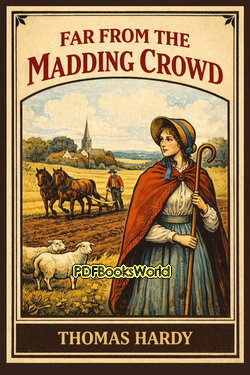
Far from the Madding Crowd
by Thomas Hardy
Love, Pride, and Rural Fate in Thomas Hardy’s Wessex Countryside
Rolling fields, storm-darkened skies, lonely farms, village gossip, and complicated human desire shape the world of Far from the Madding Crowd by Thomas Hardy. Set within Hardy’s fictional Wessex countryside, the novel blends romance, tragedy, social observation, and psychological realism into one of the great works of Victorian literature.
At its center stands Bathsheba Everdene, a fiercely independent woman whose emotional choices draw three very different men into a web of love, loyalty, obsession, and heartbreak.
A Heroine Unlike Conventional Victorian Women
Bathsheba Everdene immediately distinguishes herself from many traditional heroines of nineteenth-century fiction. Intelligent, proud, ambitious, and determined to manage her own farm, she resists the expectation that women should remain passive or dependent.
Her independence attracts admiration but also leads to difficult emotional decisions.
Hardy presents Bathsheba as strong and flawed at the same time, making her one of his most memorable characters.
The Three Men Around Bathsheba
The emotional tension of the novel develops through Bathsheba’s relationships with three contrasting suitors.
- Gabriel Oak, loyal, patient, and deeply connected to rural life
- Sergeant Troy, charming, reckless, and dangerously seductive
- William Boldwood, wealthy, reserved, and emotionally obsessive
Each man represents a different vision of love, stability, and personal character.
Life in Hardy’s Rural England
The countryside in the novel is far more than background scenery. Hardy portrays agricultural life with extraordinary detail and realism.
Harvests, storms, livestock, seasonal labor, and village traditions constantly influence the characters’ lives and fortunes.
The rhythms of nature shape both practical survival and emotional experience.
Hardy’s Wessex feels alive with weather, landscape, and community memory.
Love Complicated by Pride and Impulse
Much of the novel’s emotional power comes from the way love becomes entangled with vanity, misunderstanding, desire, and social expectation.
Bathsheba’s impulsive decisions create consequences affecting not only herself but everyone around her.
Hardy avoids presenting romance as simple or idealized. Instead, relationships often involve uncertainty, emotional imbalance, and painful self-discovery.
The novel repeatedly asks whether wisdom can arrive before tragedy.
The Emotional Weight of Fate
Like many Hardy novels, Far from the Madding Crowd carries a quiet sense that human beings are never fully in control of their destinies.
Chance events, timing, weather, social pressures, and emotional weakness all shape the outcome of lives.
This underlying fatalism gives the novel emotional depth beyond ordinary romance fiction.
Why Far from the Madding Crowd Remains a Classic
Far from the Madding Crowd continues to captivate readers because it combines unforgettable characters with emotional realism and rich rural atmosphere. Hardy transforms personal relationships into profound reflections on independence, love, regret, and human vulnerability.
For readers interested in Victorian literature, psychological romance, rural fiction, and beautifully observed character studies, Thomas Hardy’s novel remains one of the most enduring achievements in English storytelling.
Similar Genres
About the Author
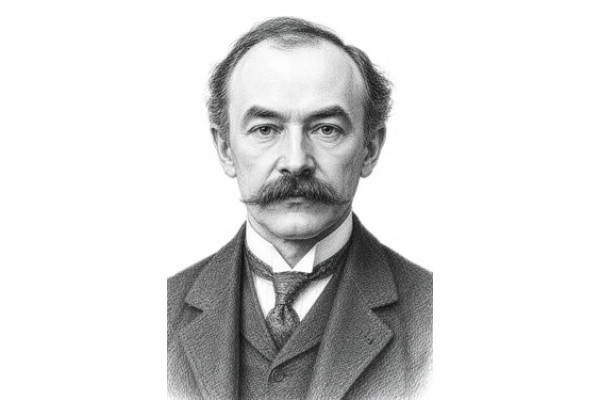
Thomas Hardy ranks among the finest novelists and poets of the Victorian era, renowned for his powerful portrayals of rural England and the emotional depth of his characters. Explore Thomas Hardy books to discover the author's life, literary career, and access notable works, including Tess of the d'Urbervilles - A Pure Woman, Jude the Obscure, The Return of the Native, The Mayor of Casterbridge , and more.