
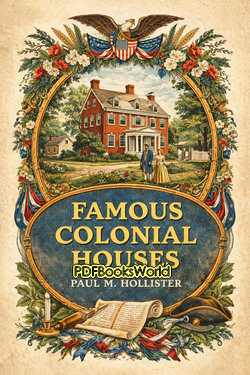
Famous Colonial Houses
by Paul M. Hollister
A Tour Through America's Historic Colonial Homes
Famous Colonial Houses by Paul M. Hollister is a fascinating work of architectural and historical exploration that introduces readers to some of the most celebrated colonial-era homes in the United States. First published in 1921, the book combines architectural appreciation with historical storytelling, revealing how these houses served as the settings for important events and the lives of notable Americans. Rather than focusing solely on buildings, Hollister examines the people, traditions, and historical moments associated with each residence.
The result is a richly detailed portrait of early American life, showing how architecture can preserve the memory of a nation's past. Through vivid descriptions and historical anecdotes, the book demonstrates the enduring significance of these remarkable homes.
Architecture as a Window into History
Historic houses offer more than architectural beauty. They provide insight into the daily lives, values, and aspirations of the people who built and inhabited them. Hollister uses each home as a starting point for exploring broader themes in American history, from the colonial period through the early years of the republic.
Readers discover how architecture reflects social status, cultural influences, and changing ideas about domestic life.
Notable Houses Featured in the Book
- Monticello: The famous Virginia home of Thomas Jefferson, celebrated for its innovative design and historical importance.
- Mount Vernon: The beloved estate of George Washington and one of America's most recognized historic homes.
- The Jumel Mansion: A historic residence associated with important figures and events in early American history.
- The Longfellow House: A home connected with literary and national heritage.
- Cliveden: A notable colonial mansion with ties to significant historical events.
These and other residences form the core of Hollister's exploration of American architectural heritage.
Major Themes Found Throughout the Book
- Architectural Heritage: Preserving important examples of colonial design.
- American History: Connecting buildings with historical events and individuals.
- Cultural Identity: Understanding the development of American society.
- Preservation: Appreciating and protecting historic landmarks.
These themes make the book valuable to both history enthusiasts and architecture lovers.
The Influence of Colonial Design
The houses discussed in the book showcase a variety of architectural influences, including English, Georgian, and early American styles. Hollister explains how builders adapted European traditions to the needs and conditions of the New World, creating distinctive forms that became part of the American architectural landscape.
The resulting structures reflect both practicality and artistic ambition.
The People Behind the Houses
One of the book's greatest strengths is its attention to the individuals who lived within these homes. Presidents, military leaders, writers, and prominent citizens appear throughout the narrative. Their stories bring the buildings to life and illustrate how personal experiences intersected with larger historical events.
By connecting architecture with biography, Hollister creates a more engaging understanding of the past.
A Record of Preservation Efforts
Even in the early twentieth century, there was growing concern about preserving America's historic structures. The book reflects this movement by encouraging appreciation for buildings that embody the nation's heritage. Many of the homes featured had already become symbols of historical memory and national pride.
Why Readers Continue to Appreciate the Book
- Historical Insight: Stories connected to America's most famous colonial homes.
- Architectural Knowledge: Explanations of design and construction traditions.
- Cultural Value: A deeper understanding of early American society.
- Preservation Awareness: Appreciation for historic landmarks and their significance.
Why Famous Colonial Houses Remains Worth Reading
Famous Colonial Houses is an engaging blend of architectural history and biographical storytelling. Through his examination of iconic homes such as Monticello and Mount Vernon, Paul M. Hollister reveals how buildings can serve as lasting witnesses to a nation's history. The book remains a rewarding resource for readers interested in architecture, American history, and the preservation of cultural heritage.
Similar Genres
About the Author
Paul M. Hollister was an American author and historian whose writings focused on the architectural and cultural heritage of early America. Through careful research and engaging narrative, he introduced readers to historic buildings, colonial communities, and the people whose lives shaped the nation's formative years. Explore Paul M. Hollister books to discover the author's life, literary career, and access notable works.