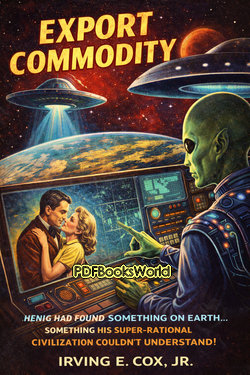
Export Commodity
by Irving E. Cox
A Thought-Provoking Science Fiction Tale of Trade, Value, and Human Nature
Export Commodity by Irving E. Cox is a classic science fiction story that explores the consequences of interplanetary commerce and the ways in which societies assign value to people, resources, and ideas. Through a speculative future setting, Cox examines economic relationships, cultural misunderstandings, and the ethical questions that can arise when living beings become entangled in systems of trade and profit.
A Marketplace Beyond Earth
The story takes place in a future where commerce extends far beyond a single world. Trade between planets or civilizations creates opportunities for prosperity, but it also introduces conflicts involving power, ownership, and differing cultural values. What one society views as valuable may seem ordinary, or even disturbing, to another.
This clash of perspectives drives much of the narrative.
Major Characters
- The Protagonist: An individual caught within the economic and ethical dilemmas of the story.
- Traders and Merchants: Figures motivated by profit, opportunity, or necessity.
- Alien or Foreign Representatives: Characters whose values challenge human assumptions.
- Authorities and Observers: Individuals attempting to regulate or understand unfolding events.
Themes Explored Throughout the Story
- Commerce: The influence of trade on individuals and societies.
- Value: Questions about what is truly worth buying, selling, or preserving.
- Ethics: Moral concerns surrounding economic decisions.
- Cultural Differences: Contrasting beliefs and priorities among civilizations.
- Human Nature: The motivations that shape behavior in competitive environments.
The Meaning of "Commodity"
The title invites readers to consider the concept of a commodity and what happens when something becomes an object of exchange. Cox uses this idea to raise broader questions about dignity, identity, and the limits of commercialization.
The story challenges readers to think carefully about how value is defined.
Irving E. Cox's Social Commentary
Like many science fiction writers of his era, Cox employed futuristic settings to comment on contemporary social and economic issues. By placing familiar concerns in an unfamiliar environment, he encourages readers to examine accepted practices from a fresh perspective.
The speculative framework allows complex ideas to be explored in an engaging way.
Economic Systems and Moral Choices
The narrative demonstrates that economic decisions often carry ethical consequences. Characters must balance personal gain against broader responsibilities, forcing them to consider what they are willing to sacrifice in pursuit of success.
This tension gives the story much of its dramatic power.
A Blend of Adventure and Reflection
While the story explores serious themes, it also functions as an entertaining science fiction adventure. The interactions between different worlds, cultures, and interests create suspense and momentum, ensuring that the philosophical questions emerge naturally from the plot.
The result is both engaging and intellectually stimulating.
Why the Story Remains Relevant
Questions about trade, ethics, and the value placed on people and resources remain important in modern society. The story's examination of these issues continues to resonate because it addresses concerns that extend beyond its futuristic setting.
Its combination of imagination and social insight gives it lasting appeal.
A Clever Exploration of Economics and Humanity
Export Commodity uses the possibilities of science fiction to examine how commerce influences values, relationships, and moral choices. Through its imaginative setting and thoughtful themes, Irving E. Cox creates a story that entertains while encouraging reflection on the meaning of worth and responsibility. The result is a memorable work that demonstrates the power of speculative fiction to illuminate enduring human concerns.
Similar Genres
About the Author
Irving E. Cox Jr. was an American science fiction author whose imaginative stories became popular features of the pulp magazines during the Golden Age of science fiction. Writing primarily in the 1950s, Cox created fast-paced adventures that explored alien civilizations, futuristic societies, interstellar exploration, and the unexpected consequences of scientific progress. Explore Irving E. Cox books to discover the author's life, literary career, and access notable works, including The Pioneer , and more.