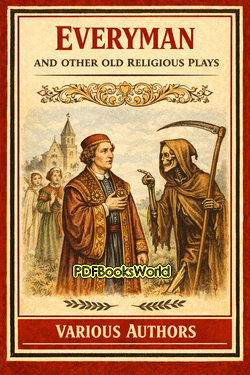
Everyman and Other Old Religious Plays
by Various Authors
Classic Medieval Plays That Brought Faith, Morality, and Drama to the Stage
“Everyman,” with Other Interludes, Including Eight Miracle Plays edited by Ernest Rhys is an important collection of medieval English drama that preserves some of the most influential religious and moral plays from the Middle Ages. These works combine storytelling, symbolism, spirituality, and theatrical performance in ways that shaped the early development of English drama.
The collection introduces readers to morality plays and miracle plays that were originally performed before large public audiences during religious festivals and community celebrations. Through vivid characters and symbolic storytelling, these dramas explored themes of faith, death, virtue, sin, redemption, and human responsibility.
The Famous Morality Play “Everyman”
The centerpiece of the collection is Everyman, one of the best-known morality plays in English literary history. The story follows Everyman, a symbolic figure representing humanity, who suddenly learns that Death has arrived to summon him for final judgment.
As Everyman seeks companions willing to accompany him on his final journey, he discovers that friendship, wealth, and worldly success cannot save him. Only good deeds and spiritual preparation remain valuable in the face of mortality.
The play uses simple but powerful symbolism to explore universal questions about life, morality, and the human soul.
Main Characters in Everyman
- Everyman, representing ordinary humanity
- Death, the unavoidable messenger of mortality
- Good Deeds, symbolizing moral actions and virtue
- Fellowship, Goods, and Kindred, representing worldly attachments and relationships
These symbolic characters transform abstract moral ideas into dramatic and emotional theatrical experiences.
The Role of Miracle Plays in Medieval Society
The collection also includes miracle plays, dramatic works based on biblical stories, saints’ lives, and religious miracles. During the Middle Ages, these performances played an important role in public education because many people could not read religious texts.
Drama became a way to communicate spiritual lessons through performance, humor, music, and visual storytelling. Towns and guilds often organized elaborate productions during festivals and religious celebrations.
These plays helped make religious stories understandable and emotionally powerful for ordinary audiences.
Main Themes Found Throughout the Collection
- Human mortality and spiritual accountability
- The struggle between sin and virtue
- Faith, redemption, and moral responsibility
- The temporary nature of wealth and worldly success
These timeless themes helped medieval audiences reflect on life, morality, and religious belief.
The Literary and Historical Importance of the Plays
The plays preserved in this collection are historically important because they helped shape the evolution of English theater before the rise of Renaissance drama and Shakespearean performance.
Their use of symbolism, public performance, and moral storytelling influenced later theatrical traditions. Modern readers and scholars continue to study these works because they reveal how medieval society understood religion, morality, and human experience.
The collection also preserves the language, dramatic structure, and spiritual imagination of an earlier literary world.
Why These Medieval Plays Still Matter Today
“Everyman,” with Other Interludes, Including Eight Miracle Plays remains valuable because its themes continue to feel emotionally and philosophically relevant. Questions about morality, death, responsibility, and the meaning of life still resonate with modern audiences.
For readers interested in medieval literature, religious drama, theater history, and symbolic storytelling, this collection offers a fascinating look into the origins of English drama and the spiritual culture of the Middle Ages.