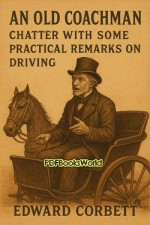
Edward Corbett
Edward Corbett (1817–1895) was a British writer and experienced coachman whose practical knowledge of horse-drawn travel made him a respected voice on nineteenth-century coaching. Drawing upon years of firsthand experience, he documented the skills, customs, and challenges of driving carriages at a time when horses were central to everyday transport. His writings preserve the traditions of a profession that was rapidly disappearing with the arrival of the motor vehicle, offering modern readers an authentic glimpse into a remarkable period of transportation history.
A Voice from the Coaching Era
Corbett wrote with the confidence of someone who understood both the technical and practical aspects of handling horses and carriages. His observations extend beyond driving techniques to include stable management, road etiquette, horse care, and the responsibilities of a capable coachman. Rather than presenting a simple instructional manual, he enriched his work with personal anecdotes that capture the spirit of travel during the golden age of coaching.
Writing Style
Edward Corbett's writing is conversational, engaging, and firmly rooted in experience. He explains traditional coaching methods in clear language while illustrating them with memorable incidents from the road. His blend of practical advice and storytelling makes his work appealing to readers interested in equestrian history, transportation, and Victorian life.
Featured Title from Our Collection
An Old Coachman Chatter with some Practical Remarks on Driving combines practical instruction with entertaining recollections from an experienced coachman. The book explores the techniques of safe and efficient carriage driving while offering fascinating insights into nineteenth-century roads, horses, coaching customs, and the everyday realities of long-distance travel. It remains an engaging resource for anyone interested in the history of horsemanship and traditional transport.
Legacy
Although Edward Corbett is remembered chiefly for a single published work, his contribution is valuable as a firsthand record of the coaching profession during its final decades. His practical observations and vivid storytelling continue to interest historians, carriage-driving enthusiasts, and readers seeking an authentic account of life before the age of the automobile.