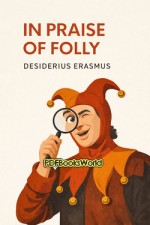
Desiderius Erasmus
Desiderius Erasmus, commonly known as Erasmus of Rotterdam, was a Dutch Renaissance humanist, scholar, theologian, philosopher, and one of the greatest intellectual figures of the early modern era. Born in the Netherlands around 1466, Erasmus devoted his life to the study of classical literature, biblical scholarship, and educational reform. Fluent in Latin and Greek, he produced influential editions of the New Testament while advocating learning, reason, tolerance, and moral integrity. His writings profoundly shaped Renaissance humanism and continue to influence theology, education, philosophy, and Western literature.
A Champion of Learning and Humanism
Desiderius Erasmus believed that education, critical thinking, and ethical living were essential to both personal growth and a healthy society. His works combined classical wisdom with Christian values, encouraging readers to question superstition, reject ignorance, and cultivate virtue through knowledge and reflection. Renowned for his wit, elegant prose, and mastery of satire, Erasmus challenged corruption and intellectual complacency without abandoning his commitment to religious faith. His ideas helped lay the intellectual foundations for modern scholarship and educational reform.
In Praise of Folly is Erasmus's most celebrated work, using brilliant satire to expose the vanity, hypocrisy, and foolishness found in every level of society, including scholars, clergy, rulers, and ordinary people. Written in the voice of Folly herself, the book combines humor with profound moral and philosophical insight, encouraging readers to examine human behavior with honesty, humility, and wisdom. It remains one of the greatest masterpieces of Renaissance literature.
Essential Works
- In Praise of Folly is Erasmus's satirical masterpiece, exposing human vanity, hypocrisy, and intellectual pretension through wit and timeless social commentary.
- The Education of a Christian Prince presents principles of ethical leadership, responsible government, and moral conduct for rulers and statesmen.
- The Handbook of the Christian Soldier offers practical guidance on Christian living, spiritual discipline, and the pursuit of virtue.
- Adages is a celebrated collection of classical proverbs accompanied by scholarly commentary that reflects Erasmus's vast knowledge of ancient literature.
- Colloquia presents lively dialogues that combine language instruction with thoughtful discussions of education, religion, society, and everyday life.
An Enduring Legacy in Renaissance Thought
Desiderius Erasmus's writings continue to inspire readers through their intellectual brilliance, literary elegance, and enduring commitment to reason and moral integrity. From In Praise of Folly and The Education of a Christian Prince to The Handbook of the Christian Soldier, Adages, and Colloquia, his works remain foundational classics of Renaissance humanism. His enduring legacy continues to influence education, theology, philosophy, and literature while reminding readers of the lasting value of wisdom, learning, and critical inquiry.
If you enjoy Renaissance literature, philosophy, theology, satire, and the history of ideas, the works of Desiderius Erasmus are well worth exploring. At PDFBooksWorld, you can discover a carefully curated collection of his enduring writings and experience the timeless wisdom of one of Europe's greatest humanist scholars.