
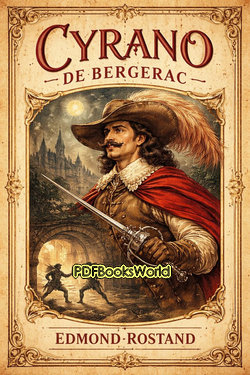
Cyrano de Bergerac
by Edmond Rostand
A Romantic and Heroic Drama About Love, Honor, and Inner Beauty
Cyrano de Bergerac by Edmond Rostand is one of the most beloved plays in French literature. First performed in 1897, the drama tells the story of Cyrano, a brilliant swordsman and poet whose enormous nose causes him to doubt his physical appearance despite his extraordinary intelligence, courage, and wit.
The play combines romance, humor, poetry, tragedy, and adventure while exploring themes of love, pride, sacrifice, and identity. Rostand’s work became a defining example of French romantic drama and heroic theater.
About the Author
Edmond Rostand was a French playwright and poet celebrated for his elegant language, dramatic storytelling, and emotional theatrical works.
His writing revived interest in romantic and poetic drama during a period when realism dominated much of European theater.
Main Themes of the Play
The play follows Cyrano’s deep love for Roxane, whom he believes he can never win because of his appearance. Instead, he secretly helps the handsome but less articulate Christian express romantic feelings to her.
Important Themes Discussed
- Love and emotional sacrifice
- Honor, courage, and personal pride
- Inner beauty versus outward appearance
- Poetry, language, and self-expression
The drama also explores the pain of hidden emotion and the conflict between self-doubt and personal greatness.
The Tragic Brilliance of Cyrano
Cyrano is admired for his intelligence, bravery, and poetic skill, yet he remains emotionally isolated because of insecurity about his appearance. His willingness to sacrifice personal happiness for Roxane’s happiness gives the story both emotional depth and tragic beauty.
The play balances humor and excitement with emotional vulnerability and longing.
What Makes the Play Unique
- Combination of romance, comedy, and tragedy
- Brilliant poetic dialogue and wit
- Memorable heroic central character
Writing Style
Rostand’s writing style is lyrical, dramatic, and emotionally expressive. The play is famous for its poetic speeches, sharp humor, and elegant language.
The energetic dialogue and theatrical scenes create both excitement and emotional intensity throughout the story.
Historical Importance
Cyrano de Bergerac became one of the most celebrated works in the history of French theater and romantic drama. The play has inspired countless stage productions, films, and adaptations around the world.
Historical Features
- Revival of poetic and romantic theater
- Creation of one of literature’s most memorable heroes
- Influence on modern dramatic and romantic storytelling
The play also reflected late nineteenth-century admiration for heroism, eloquence, and emotional sincerity.
Lessons for Modern Readers
Modern readers and audiences continue to admire the play because of its emotional honesty and timeless themes of love, insecurity, and self-worth.
The story encourages readers to value inner character, courage, and emotional sincerity over physical appearance and social judgment.
Conclusion
Cyrano de Bergerac by Edmond Rostand remains a timeless masterpiece of romance and heroic drama. Through poetic language, unforgettable characters, and emotional depth, Rostand created a play that continues to inspire audiences with its message about love, honor, and the beauty of the human spirit.
Similar Genres
About the Author
Edmond Rostand was a French playwright and poet whose lyrical dramas revived the spirit of romantic theatre at the close of the nineteenth century. Celebrated for his eloquent verse, memorable characters, and grand emotional themes, Rostand combined wit, heroism, and poetic imagination to create works that continue to captivate audiences around the world. Explore Edmond Rostand books to discover the author's life, literary career, and access notable works.