Cousin Lucy
by Jacob Abbott
A Gentle Children's Story of Learning and Everyday Adventures
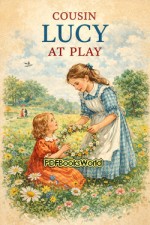
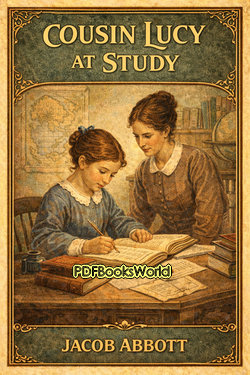
Cousin Lucy by Jacob Abbott is a classic children's novel that combines wholesome storytelling with educational lessons. Abbott, one of the most influential writers of nineteenth-century juvenile literature, was known for creating stories that entertained young readers while encouraging good character, curiosity, and practical knowledge. In this book, he introduces Lucy and her family circle, presenting a series of experiences through which young readers can learn about responsibility, kindness, and the world around them.
The story reflects Abbott's belief that education should be woven naturally into everyday life. Rather than relying on dramatic events, the narrative finds interest in ordinary experiences and the lessons they provide.
Life Through a Child's Eyes
The novel follows Lucy as she encounters situations that are familiar to many children. Family activities, conversations, observations, and small adventures become opportunities for discovery and growth. Through Lucy's experiences, readers are encouraged to develop habits of thoughtfulness, patience, and understanding.
The simple nature of the story allows its lessons to emerge naturally and effectively.
Characters
- Lucy: The young heroine whose curiosity and experiences form the heart of the story.
- Cousin Lucy: A central figure whose interactions with family members help shape the narrative.
- Lucy’s Family Members: Relatives who guide, teach, and support her as she learns about the world.
- Friends and Acquaintances: Individuals who contribute to Lucy's everyday adventures and lessons.
Education Through Experience
One of Abbott's distinctive qualities as a writer was his ability to transform ordinary situations into valuable learning opportunities. Rather than presenting formal instruction alone, he shows children learning through observation, conversation, and practical experience.
This approach helped make his books popular with both young readers and parents.
Major Themes Found Throughout the Story
- Learning: Discovering knowledge through everyday experiences.
- Family: The importance of guidance, support, and affection.
- Responsibility: Developing good habits and thoughtful behavior.
- Curiosity: Encouraging children to explore and understand the world.
These themes contribute to the enduring value of the novel.
The Importance of Family Guidance
Family members play an important role in helping Lucy understand new situations and make good decisions. Adults provide explanations and encouragement while allowing children to learn from their own observations and experiences.
This emphasis on supportive guidance reflects Abbott's educational philosophy.
A Reflection of Nineteenth-Century Childhood
The book offers modern readers a glimpse into the values and expectations associated with childhood during the nineteenth century. While some customs may differ from those of today, the underlying lessons concerning kindness, honesty, and personal growth remain familiar.
As a result, the novel functions both as a story and as a historical record of children's literature from its era.
Jacob Abbott's Enduring Appeal
Abbott's works were widely admired because they balanced instruction with enjoyment. His stories are written in a clear and accessible style that makes complex ideas understandable to younger readers. By focusing on ordinary life, he created narratives that felt both realistic and meaningful.
Cousin Lucy exemplifies these strengths and demonstrates why his books remained popular for generations.
Why Readers Continue to Appreciate the Book
- Wholesome Storytelling: Gentle narratives suitable for young readers.
- Educational Value: Lessons presented through everyday experiences.
- Family Themes: Positive portrayals of guidance and support.
- Historical Interest: Insight into nineteenth-century children's literature.
Why Cousin Lucy Remains Worth Reading
Cousin Lucy is a charming example of classic children's literature that combines entertainment with education. Through Lucy's experiences and interactions, Jacob Abbott encourages curiosity, responsibility, and kindness while offering an engaging portrait of childhood. The book continues to be appreciated by readers interested in family-centered stories, educational fiction, and the history of juvenile literature.
Similar Genres
About the Author
Jacob Abbott was an American educator, historian, theologian, and one of the nineteenth century's most prolific authors of children's literature. Born in Hallowell, Maine, in 1803, Abbott devoted his career to producing books that combined education with engaging storytelling. Explore Jacob Abbott books to discover the author's life, literary career, and access notable works, including Cousin Lucy at Play , and more.