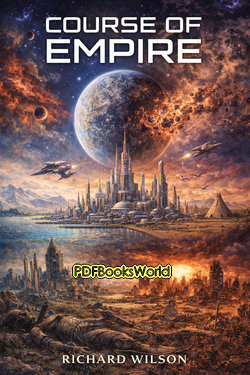
Course of Empire
by Richard Wilson
When the Rise of Great Powers Comes at an Unexpected Cost
Course of Empire by Richard Wilson is a thought-provoking science fiction story that explores the growth of power, the ambitions of civilizations, and the consequences of expansion. Like many of Wilson's works, the story combines imaginative ideas with reflections on human nature, politics, and history. Rather than focusing solely on futuristic technology, it examines the forces that drive societies to seek influence, control, and progress.
The title itself suggests a broad historical perspective. Throughout history, empires have risen, flourished, and eventually declined. Wilson uses this familiar pattern as the foundation for a narrative that encourages readers to think about the nature of power and the lessons civilizations often fail to learn from the past.
The Endless Cycle of Expansion
One of the central ideas in the story is the desire for growth. Whether nations, governments, or entire civilizations are involved, the pursuit of expansion often appears attractive. New territories, greater influence, and increased resources promise prosperity and security. Yet history repeatedly shows that growth can bring challenges as well as rewards.
Wilson explores this tension through a science fiction setting that allows readers to view familiar historical patterns from a fresh perspective. The story raises questions about whether progress always leads to improvement and whether power can be maintained indefinitely.
A Science Fiction Reflection on History
Although set within a speculative framework, Course of Empire draws heavily upon themes found throughout human history. Empires of the past often believed their success would last forever, only to encounter internal weaknesses, external pressures, or unexpected changes.
By applying these ideas to a futuristic or imagined society, Wilson demonstrates that certain challenges may be universal. Ambition, competition, and the desire for dominance remain powerful forces regardless of the era or setting.
Major Themes Explored in the Story
- Power: The opportunities and responsibilities that come with influence.
- Expansion: The desire to grow beyond existing boundaries.
- Change: The inevitability of transformation within societies.
- Historical Cycles: The repeating patterns that shape civilizations.
These themes give the story depth and encourage readers to connect its fictional events with real historical experiences.
The Human Element Behind Great Civilizations
While the story deals with large-scale developments, Wilson never loses sight of the individuals affected by them. Decisions made by leaders, citizens, and institutions influence the course of entire societies. Personal ambitions and choices often play a significant role in determining whether a civilization succeeds or struggles.
This focus on human behavior makes the narrative relatable despite its speculative setting. Readers are reminded that history is ultimately shaped by people and the decisions they make.
Richard Wilson's Approach to Science Fiction
Richard Wilson earned recognition for stories that blended intelligent ideas with accessible storytelling. His work frequently explored social and political themes without sacrificing entertainment. In Course of Empire, he demonstrates this strength by creating a narrative that is both engaging and intellectually stimulating.
His writing encourages readers to think critically about the future while also reflecting on lessons drawn from the past. This balance helps explain the enduring appeal of his fiction.
Lessons Readers May Discover
- Power Requires Responsibility: Influence brings obligations as well as advantages.
- History Offers Warnings: Past experiences can provide valuable guidance.
- Change Is Unavoidable: No society remains unchanged forever.
- Ambition Has Consequences: Growth often creates new challenges alongside new opportunities.
Why Course of Empire Remains Relevant
Course of Empire continues to resonate because its themes extend beyond science fiction. Through its exploration of power, expansion, and historical cycles, Richard Wilson invites readers to consider how societies evolve and why even the greatest civilizations face challenges. The story offers both entertainment and insight, making it a rewarding read for those interested in speculative fiction, history, and the enduring patterns that shape human affairs.
Similar Genres
About the Author
Richard Wilson was an American science fiction writer whose imaginative short stories combined wit, satire, and thoughtful speculation about humanity's future. Born in 1920, Wilson became a respected contributor to the Golden Age of science fiction, publishing memorable stories in leading magazines throughout the 1950s and 1960s. Explore Richard Wilson books to discover the author's life, literary career, and access notable works, including The Futile Flight of John Arthur Benn, The Big Fix , and more.