
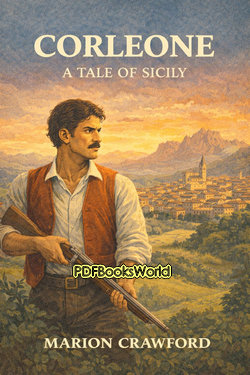
Corleone - A Tale of Sicily
by Marion Crawford
Honor, Revenge, and Sicilian Tradition in Corleone: A Tale of Sicily
Dark family rivalries, dangerous loyalties, and the powerful traditions of Sicily shape the dramatic world of Corleone: A Tale of Sicily by F. Marion Crawford. Set against the rugged landscapes and deeply rooted customs of Sicilian society, the novel explores revenge, honor, love, and the emotional weight of family expectations.
F. Marion Crawford combines historical atmosphere with intense personal conflict, creating a story filled with tension and emotional complexity. Through vivid descriptions and dramatic storytelling, the novel presents a powerful portrait of life in Sicily during a period shaped by strict social codes and inherited loyalties.
The result is both a compelling family drama and a rich exploration of Sicilian culture and tradition.
The Story’s Central Conflict
The novel follows characters whose lives become entangled in cycles of loyalty, betrayal, and revenge. In the world of Corleone, family honor carries enormous importance, and personal disputes can quickly grow into dangerous conflicts.
As emotional tensions rise, the characters struggle between personal desires and the expectations imposed by tradition.
The story unfolds through:
Family feuds, hidden emotions, revenge, social pressure, romance, violence, loyalty, and moral conflict.
Crawford carefully builds suspense while also examining the emotional consequences of rigid cultural traditions.
Main Characters in Corleone
- The Noble Families – Powerful households whose rivalries and alliances shape much of the conflict in the story.
- The Young Lovers – Characters caught between personal affection and family expectations.
- Traditional Authority Figures – Individuals who defend social customs, family reputation, and Sicilian codes of honor.
- Enemies and Rivals – Characters driven by pride, revenge, and long-standing grievances.
Major Themes in the Novel
- Honor and Reputation – Personal and family honor strongly influence decisions and relationships.
- Revenge and Violence – The story examines how cycles of revenge can destroy lives and deepen conflict.
- Love Versus Tradition – Emotional relationships often clash with social expectations and family obligations.
- Loyalty and Family Duty – Characters struggle to balance personal freedom with loyalty to their families.
- Cultural Identity – Sicilian customs and traditions play a major role in shaping the world of the novel.
The Sicilian Setting and Atmosphere
One of the novel’s greatest strengths is its richly detailed Sicilian setting. Crawford describes villages, landscapes, homes, and social customs with vivid realism, allowing readers to feel immersed in the culture and environment.
The atmosphere of the novel often feels intense and dramatic, reflecting the emotional seriousness of the characters’ lives.
The setting contributes heavily to themes involving:
Tradition, social hierarchy, regional identity, family loyalty, and emotional intensity.
The strong sense of place gives the novel much of its unique character.
F. Marion Crawford’s Storytelling Style
F. Marion Crawford became known for writing historical and dramatic fiction filled with vivid settings and emotionally driven characters. In Corleone, his style combines detailed description with dramatic tension.
The narrative focuses closely on emotional conflict and personal motivation, helping readers understand the pressures faced by the characters.
Crawford’s writing also creates a cinematic atmosphere, with dramatic confrontations and emotionally charged scenes appearing throughout the novel.
Why Modern Readers Still Find the Novel Interesting
Although the novel was written many years ago, its themes continue to feel familiar. Family loyalty, social pressure, romantic conflict, and the desire for revenge remain common subjects in literature and film today.
Readers often appreciate the novel because it:
Presents emotionally intense storytelling, explores cultural traditions, creates dramatic suspense, and examines the personal cost of honor and revenge.
The novel’s emotional realism and historical atmosphere continue to attract readers interested in classic international fiction.
Interesting Facts About the Novel
F. Marion Crawford was an American writer who spent much of his life in Italy and became known for novels set in European locations. His detailed understanding of Italian culture and society helped give his fiction a strong sense of realism and atmosphere.
Final Thoughts
Corleone: A Tale of Sicily by F. Marion Crawford remains a dramatic exploration of honor, revenge, family loyalty, and emotional conflict. Through vivid descriptions and deeply human struggles, Crawford creates a powerful story shaped by the traditions and tensions of Sicilian society.
For readers interested in historical drama, family conflict, and richly atmospheric fiction, the novel continues to offer an engaging and emotionally intense reading experience.
Similar Genres
About the Author
Marion Crawford, better known as F. Marion Crawford, was an American novelist celebrated for his vivid storytelling and remarkable ability to bring historical settings and distant cultures to life. Spending much of his career in Italy, he drew inspiration from its landscapes, traditions, and people, creating novels that combined adventure, romance, history, and psychological insight. Explore Marion Crawford books to discover the author's life, literary career, and access notable works.