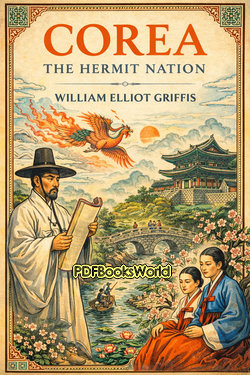
Corea: The Hermit Nation
by William Elliot Griffis
A Classic Nineteenth-Century Portrait of Korea
Corea: The Hermit Nation by William Elliot Griffis is one of the earliest comprehensive English-language studies of Korea available to Western readers. First published in the late nineteenth century, the book introduces the history, culture, geography, government, and traditions of Korea at a time when the country remained relatively unfamiliar to much of the Western world. Griffis sought to provide readers with a detailed account of a nation that was often described as isolated from foreign influence, leading to its popular designation as the "Hermit Nation."
The work combines historical narrative, cultural observation, and political analysis, offering insight into Korea during a period of significant change. While some perspectives reflect the attitudes and scholarship of its era, the book remains an important historical source for understanding how Korea was presented to Western audiences in the nineteenth century.
Korea's Historical Background
Griffis traces the history of Korea from ancient times through the dynasties that shaped its political and cultural development. He discusses the influence of neighboring civilizations, the formation of Korean institutions, and the events that contributed to the country's distinctive identity.
The book emphasizes Korea's long history as an independent kingdom with its own traditions, achievements, and cultural heritage.
The Meaning of "Hermit Nation"
The title reflects the perception that Korea maintained limited contact with many foreign powers for extended periods. Griffis explores the policies and circumstances that contributed to this reputation, examining how geography, politics, and concerns about national security influenced Korea's relationships with the outside world.
He presents the country as a society that carefully guarded its traditions while navigating the pressures of a changing international environment.
Highlights of the Book
- Korean History: A survey of major historical developments and dynasties.
- Cultural Traditions: Discussion of customs, beliefs, and social practices.
- Political Institutions: Examination of government and administration.
- Geography: Descriptions of Korea's landscapes and regions.
- International Relations: Consideration of Korea's place in East Asia.
Culture and Society
A significant portion of the book is devoted to daily life and social customs. Griffis describes family structures, education, religion, literature, and traditional practices. These observations were intended to help readers understand a culture that was largely unfamiliar to Western audiences of the time.
Through these descriptions, the book highlights the richness and complexity of Korean civilization.
Major Themes
- National Identity: The development of a distinct cultural tradition.
- History: The influence of past events on society.
- Tradition: The preservation of customs and institutions.
- Change: Responding to internal and external pressures.
- Cultural Understanding: Learning about unfamiliar societies.
William Elliot Griffis's Contribution
William Elliot Griffis was a historian, educator, and writer with a strong interest in East Asia. His books introduced many Western readers to the histories and cultures of countries that were not widely studied in the English-speaking world. Through careful research and accessible writing, he helped broaden awareness of Korea and its historical significance.
His work played an important role in stimulating Western interest in Korean history and culture.
Why the Book Remains Significant
Corea: The Hermit Nation remains valuable both as a historical study and as a document of nineteenth-century scholarship. It provides insight into Korea's past while also revealing how the country was interpreted by foreign observers during a period of global change.
For readers interested in Korean history, East Asian studies, travel literature, and historical perspectives, the book offers an informative and engaging introduction to one of Asia's most enduring civilizations. Its combination of history, culture, and observation ensures its continuing interest and importance.
Similar Genres
About the Author
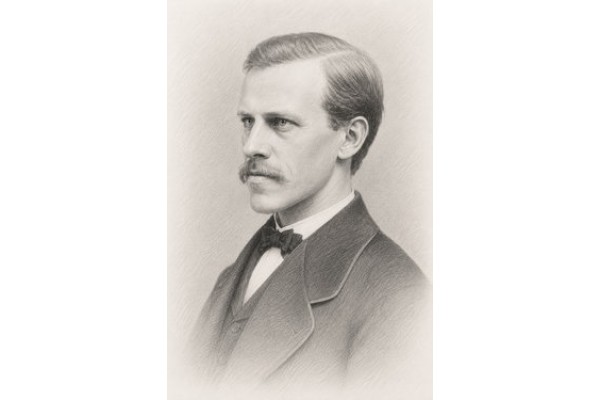
William Elliot Griffis was an American educator, historian, missionary, and author whose writings introduced generations of Western readers to the history, culture, and traditions of Japan, Korea, and East Asia. Explore William Elliot Griffis books to discover the author's life, literary career, and access notable works, including Dutch Fairy Tales for Young Folks, Welsh Fairy Tales, Korean Fairy Tales, Belgian Fairy Tales , and more.