
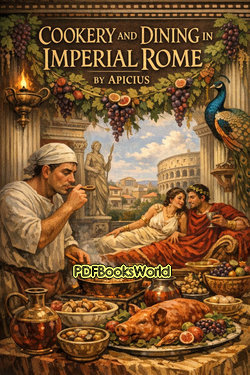
Cookery and Dining in Imperial Rome
by Apicius
A Fascinating Look Into the Food and Culinary Culture of Ancient Rome
Cookery and Dining in Imperial Rome by Apicius is one of the oldest surviving collections of recipes and culinary knowledge from the ancient world. The work offers readers a detailed glimpse into the eating habits, cooking methods, and dining traditions of the Roman Empire.
The book contains recipes for meats, seafood, vegetables, sauces, desserts, and elaborate banquet dishes enjoyed by wealthy Romans. Beyond food preparation, the text also reflects the luxury, trade networks, and social customs connected to ancient Roman culture and daily life.
About Apicius
The name “Apicius” is traditionally associated with a Roman gourmet and lover of fine dining. Although historians debate the exact authorship of the collection, the text became closely connected with Roman culinary traditions and elite dining culture.
The recipes preserved in the work reveal the importance of food, hospitality, and social status in Roman society.
Main Themes of the Book
The collection focuses on the preparation and enjoyment of food in imperial Rome. Many recipes emphasize flavor, spices, sauces, and elaborate presentation.
Important Topics Discussed
- Ancient Roman cooking techniques
- Luxury foods and banquets
- Use of spices, herbs, and sauces
- Dining customs and social status
The recipes also demonstrate how Roman cuisine was influenced by trade and ingredients gathered from different parts of the empire.
The Culinary World of Ancient Rome
Roman dining was often a social and political activity where wealthy citizens displayed status through elaborate meals and banquets. The cookbook includes unusual combinations of ingredients and strong seasonings that reflected Roman tastes of the time.
Ingredients such as fish sauce, herbs, honey, wine, and exotic spices appear frequently throughout the recipes. These dishes reveal the creativity and complexity of Roman culinary traditions.
What Makes the Book Unique
- One of the oldest surviving cookbooks
- Insight into Roman food culture and luxury
- Detailed historical recipes and ingredients
Writing Style
The writing style is practical and instructional, focusing on ingredients and preparation methods rather than storytelling. Some recipes are brief and assume readers already understand basic cooking techniques.
Despite its age, the text remains valuable for historians, chefs, and readers interested in ancient food traditions.
Historical Importance
Cookery and Dining in Imperial Rome became an important source for understanding Roman culinary history and dining customs. The work provides rare insight into daily life, trade, and luxury culture during the Roman Empire.
Historical Features
- Preservation of ancient Roman recipes
- Insight into imperial dining traditions
- Reflection of trade and cultural exchange in Rome
The book also demonstrates how food and dining were connected to social identity and wealth in ancient Roman society.
Lessons for Modern Readers
Modern readers continue to enjoy the book because it offers a unique connection to everyday life in the ancient world. The recipes and dining customs reveal how food traditions can preserve culture and history across centuries.
The work also encourages appreciation for the long history of culinary creativity and the role of food in human society.
Conclusion
Cookery and Dining in Imperial Rome by Apicius remains a remarkable historical work that preserves the flavors, customs, and culinary imagination of ancient Rome. Through its recipes and descriptions of dining culture, the book continues to fascinate readers interested in food history, classical civilization, and ancient daily life.
Similar Genres
About the Author
Apicius is the traditional name associated with the oldest surviving collection of recipes from ancient Rome. Although the exact identity of the author remains uncertain, the work is commonly linked to Marcus Gavius Apicius, a wealthy Roman gourmet who lived during the reign of Emperor Tiberius in the first century CE. Explore Apicius books to discover the author's life, literary career, and access notable works.