
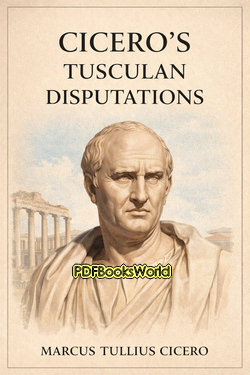
Cicero's Tusculan Disputations
by Marcus Tullius Cicero
Cicero’s Tusculan Disputations and the Search for Wisdom in Ancient Rome
Philosophy in the ancient world was not only about abstract theory. It was often seen as a practical guide for living well, facing hardship, and understanding human nature. In Tusculan Disputations, Marcus Tullius Cicero explores questions about fear, death, suffering, happiness, and emotional strength through a series of philosophical discussions inspired by Greek thought.
Written during a difficult period in Cicero’s life, the work combines intellectual reflection with personal concern about how human beings can maintain peace of mind during uncertainty and loss.
A Philosophical Conversation About Human Life
The book is structured as a series of dialogues where philosophical ideas are examined through reasoned discussion. Cicero draws heavily from Stoic and Academic philosophy while presenting the material in a clear and accessible style for Roman readers.
Rather than focusing only on logic or metaphysics, the discussions center on emotional resilience and practical wisdom in everyday life.
Main Topics Explored in the Work
- The fear of death and human mortality
- Pain, suffering, and emotional endurance
- The meaning of happiness and virtue
- The role of reason in human life
- The pursuit of wisdom and inner peace
Why Ancient Philosophy Still Feels Relevant
Many readers continue connecting with Tusculan Disputations because the emotional questions discussed by Cicero remain universal. Fear, grief, anxiety, and the desire for peace of mind are experiences shared across every generation.
Cicero’s writing encourages readers to reflect carefully on emotional reactions and to seek balance through reason, discipline, and thoughtful living.
Major Themes Found Throughout the Dialogues
- The relationship between reason and emotion
- The search for moral and emotional strength
- The importance of self-control and virtue
- Human resilience during suffering
- The pursuit of lasting happiness
Cicero’s Role in Preserving Classical Philosophy
One reason Cicero remains historically important is his role in bringing Greek philosophical ideas into Roman intellectual life. His writings preserved many concepts from earlier Greek thinkers while adapting them for a broader audience.
Because of this, Cicero became one of the key figures connecting ancient Greek philosophy with later European intellectual traditions.
Readers interested in classical thought often explore the foundations of Stoic philosophy to better understand many of the philosophical ideas discussed throughout Cicero’s work.
Why the Book Continues to Be Studied
Modern readers, historians, and philosophy students still value Tusculan Disputations because it combines intellectual depth with practical life questions. The work is not simply academic philosophy; it is also an attempt to understand how people can live wisely during difficult times.
Its reflective tone and accessible structure make it appealing even to readers who are new to classical philosophy.
Reasons the Work Remains Influential
- Explores timeless human concerns
- Connects philosophy with practical living
- Preserves important classical ideas
- Influenced later European philosophy
- Encourages thoughtful self-reflection
The Enduring Legacy of Cicero
Cicero became one of the most influential intellectual figures of ancient Rome because of his writings on politics, rhetoric, ethics, and philosophy. His ability to explain difficult ideas clearly helped preserve classical learning for future generations.
Works like Tusculan Disputations continue to inspire readers interested in wisdom, morality, and the emotional challenges of human life.
Final Thoughts
Cicero’s Tusculan Disputations remains one of the most thoughtful philosophical works of the ancient world. Through dialogue, reflection, and practical wisdom, Cicero explored questions about suffering, fear, happiness, and emotional resilience that still matter today. Its lasting influence ensures its continued importance in philosophy, ethics, and classical literature.
Similar Genres
About the Author
Marcus Tullius Cicero was a Roman statesman, lawyer, philosopher, orator, and author whose writings have profoundly influenced Western thought for more than two thousand years. Explore Marcus Tullius Cicero books to discover the author's life, literary career, and access notable works.