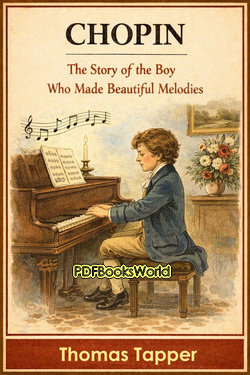
Chopin : The Story of the Boy Who Made Beautiful Melodies
by Thomas Tapper
A Child Who Heard Music Everywhere
Some children discover music slowly. For Frédéric Chopin, melody seemed to arrive naturally, almost as if it already lived inside him. Chopin : The Story of the Boy Who Made Beautiful Melodies traces the early life of the famous composer and pianist, showing how sensitivity, imagination, and quiet determination helped shape one of the most lyrical voices in classical music.
The biography focuses less on grand historical events and more on the emotional and artistic growth of a gifted child whose connection to music became extraordinary from an early age.
The Young Musician of Poland
Growing up in Poland, Chopin displayed remarkable musical ability while still very young. He quickly became known for his delicate piano playing and his talent for creating graceful, expressive melodies.
Unlike stories centered on dramatic adventure, this biography moves through:
Music lessons, family encouragement, small performances, artistic discovery, and the quiet development of creative genius.
The atmosphere remains thoughtful, elegant, and emotionally gentle throughout much of the narrative.
Important Figures in Chopin’s Early Life
- Frédéric Chopin
Sensitive, imaginative, refined, and deeply connected to music and emotion. - Chopin’s Family
A supportive environment that encouraged education, culture, and artistic growth. - Teachers and Musicians
Important influences who recognized and developed Chopin’s unusual talent.
The Ideas Flowing Through the Story
- Artistic Sensitivity
Music becomes a way of expressing feeling, memory, and imagination. - Dedication to Craft
Talent alone is never enough without practice and discipline. - Beauty in Simplicity
The story often emphasizes elegance, subtle emotion, and quiet creativity. - The Emotional Power of Music
Melodies are shown influencing both listeners and the young composer himself.
A Softer Kind of Musical Biography
The tone of the book differs from biographies focused on struggle or conquest. Instead, the storytelling feels calm, graceful, and reflective much like Chopin’s own music.
Scenes involving piano practice, composing, performing, and listening to music are treated with emotional warmth rather than dramatic intensity.
This gentler style helps capture the personality often associated with Chopin himself.
The World of Classical Music Around Him
The biography also introduces readers to the cultural environment of early nineteenth-century Europe, where salons, concerts, and private musical gatherings played an important role in artistic life.
Young Chopin’s world included:
Pianos, composers, formal lessons, public recitals, handwritten music, and audiences fascinated by musical talent.
These details help place his artistic development within a living historical setting.
Why Chopin’s Story Still Connects With Readers
Many readers are drawn to the contrast between Chopin’s quiet personality and the emotional depth of his music.
His story continues to reflect ideas connected to:
Creativity, sensitivity, discipline, artistic beauty, emotional expression, and the search for personal voice through art.
The biography reminds readers that greatness does not always arrive through loudness or force.
The Legacy Waiting Ahead
Although focused on Chopin’s youth, the story hints at the future influence his music would have across the world.
His compositions later became famous for:
Expressive piano melodies, emotional nuance, technical elegance, and lasting influence on romantic-era music.
Who May Enjoy This Book?
Chopin – The Story of the Boy Who Made Beautiful Melodies may especially appeal to readers interested in:
Classical music, composer biographies, artistic childhoods, inspirational nonfiction, and emotionally driven stories about creativity.
Final Reflection
Chopin : The Story of the Boy Who Made Beautiful Melodies presents the growth of musical genius through quiet moments of imagination, practice, and emotional sensitivity.
By focusing on the gentle beginnings of one of music’s greatest composers, the book creates a graceful portrait of how beauty and creativity can emerge from patience, feeling, and lifelong devotion to art.
Similar Genres
About the Author
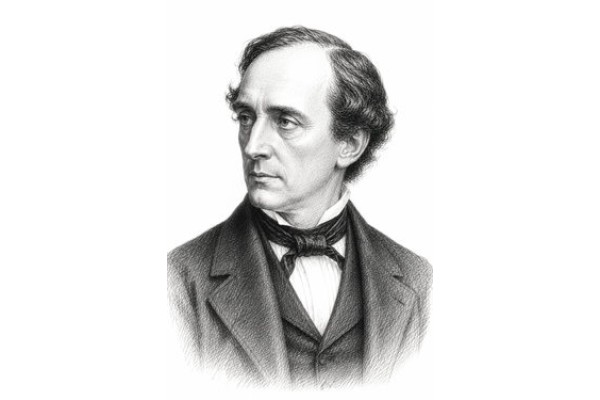
Thomas Tapper was an American educator, composer, and author whose lifelong passion for music helped introduce countless readers to the lives and achievements of the world's greatest composers. Born in 1864, he dedicated much of his career to making music appreciation accessible to students, teachers, and general audiences. Explore Thomas Tapper books to discover the author's life, literary career, and access notable works, including Johann Sebastian Bach : The story of the boy who sang in the streets, Beethoven : The story of a little boy who was forced to practice, Edvard Grieg : The Story of the Boy Who Made Music in the Land of the Midnight Sun, Handel : The Story of a Little Boy who Practiced in an Attic , and more.