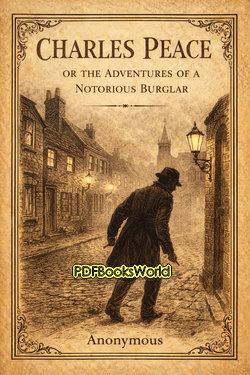
Charles Peace, or The Adventures of a Notorious Burglar
by Anonymous
A Sensational Victorian Crime Narrative of Infamy, Pursuit, and Criminal Legend
Charles Peace, or The Adventures of a Notorious Burglar by Anonymous is a dramatic crime narrative based on the life and exploits of the infamous nineteenth-century English criminal Charles Peace. Combining biography, sensational storytelling, and moral warning, the book reflects Victorian fascination with notorious criminals and the darker side of urban society.
Charles Peace became one of the most widely discussed criminals of his era, known for burglary, disguise, escape, and murder. His life inspired newspapers, pamphlets, stage productions, and popular fiction, turning him into a legendary figure within Victorian crime culture. The narrative presents both the excitement of criminal adventure and the moral consequences that ultimately accompany a life of deception and violence.
The work blends true crime with sensational adventure and social commentary.
The Criminal Career of Charles Peace
Charles Peace: A real nineteenth-century English burglar and murderer whose notoriety grew through daring crimes, evasions of police, and sensational public attention.
The book likely recounts burglaries, disguises, escapes, hidden identities, and confrontations with law enforcement while dramatizing Peace’s intelligence, boldness, and criminal resourcefulness.
The narrative may also describe his troubled personal life, growing recklessness, eventual capture, and trial, presenting the story as both entertainment and cautionary example.
The atmosphere combines suspense, danger, and moral tension.
The Sensational Style of Victorian Crime Literature
The anonymous author writes in a vivid and highly dramatic style emphasizing pursuit, mystery, and emotional excitement. The prose reflects the popularity of Victorian sensational literature, where readers eagerly consumed stories involving criminals, detectives, hidden identities, and shocking crimes.
The language often heightens suspense while maintaining a moral framework warning against vice and lawlessness.
The energetic storytelling gives the narrative excitement and popular appeal.
Main Themes and Social Reflection
The book explores themes of crime, deception, morality, social fear, justice, identity, urban danger, punishment, temptation, and the fascination society holds toward notorious outlaws.
Through Charles Peace’s rise and downfall, the narrative examines how criminality both attracts public curiosity and threatens social order.
The work also reflects Victorian anxieties surrounding rapidly growing cities, anonymity, and modern criminal behavior.
Why the Book Still Holds Interest
Charles Peace, or The Adventures of a Notorious Burglar remains historically fascinating because it preserves the sensational crime culture and public imagination of Victorian Britain.
Readers interested in true crime history often appreciate how nineteenth-century writers transformed real criminal cases into dramatic narratives filled with suspense and moral commentary.
Its mixture of fact, legend, and sensational storytelling continues to make it engaging.
The Lasting Importance of Victorian Crime Narratives
Victorian society developed a strong fascination with criminal biographies and sensational journalism as urbanization and mass media expanded public awareness of crime. Real-life criminals sometimes became infamous public figures whose stories blurred the line between journalism and entertainment.
Such narratives influenced later detective fiction, mystery novels, and modern true crime storytelling.
The continuing popularity of crime history and detective literature helps preserve appreciation for works like this.
Final Thoughts
Charles Peace, or The Adventures of a Notorious Burglar by Anonymous is a thrilling Victorian crime narrative exploring burglary, deception, pursuit, and the dramatic downfall of one of England’s most notorious criminals. Through sensational storytelling and moral reflection, the work captures both the fear and fascination surrounding crime in nineteenth-century urban society.
For readers interested in Victorian crime history, sensational fiction, true crime narratives, and the origins of detective storytelling, this work remains both entertaining and historically revealing.