Carl E. Gardner
Carl E. Gardner was an American music educator, composer, and author who devoted his career to making music education clear, practical, and enjoyable for students of all ages. Through his textbooks, instructional materials, and teaching methods, Gardner helped countless beginners develop a solid understanding of music theory and musicianship. His ability to explain complex musical concepts in simple language made his books popular in schools, colleges, and private music studios. His educational approach emphasized that every student could learn music successfully with proper guidance and consistent practice.
Building a Career in Music Education
Carl E. Gardner spent many years teaching music and developing educational resources for aspiring musicians. His experience in the classroom gave him a clear understanding of the challenges faced by beginners, allowing him to create lessons that progressed logically from basic concepts to more advanced topics. He believed that a strong foundation in music theory was essential for anyone wishing to perform, compose, or appreciate music more deeply.
Alongside his teaching responsibilities, Gardner wrote instructional books that reflected his practical experience as an educator. These publications became trusted learning resources because they combined accuracy with simplicity.
Making Music Theory Easy to Learn
One of Gardner's greatest achievements was presenting music theory in a way that students found approachable rather than intimidating. He introduced subjects such as musical notation, rhythm, scales, intervals, chords, and key signatures through carefully organized lessons that gradually built confidence and understanding.
His teaching philosophy emphasized learning through practice. Rather than asking students to memorize rules alone, he encouraged them to apply theoretical knowledge through exercises, singing, listening, and performance. This balanced approach helped learners develop both technical knowledge and practical musical skills.
Notable Works
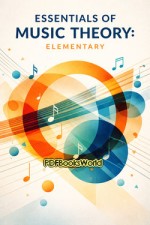
- Essentials of Music Theory: Elementary – An introductory textbook explaining the fundamental principles of music theory through clear lessons and practical exercises.
- Essentials of Music Theory: Intermediate – A continuation of elementary theory, introducing more advanced concepts in harmony, rhythm, and musical structure.
- Essentials of Music Theory: Advanced – A comprehensive study of higher-level music theory designed for serious students and aspiring musicians.
- Practical Music Lessons – Instructional materials focusing on the development of reading, listening, and performance skills.
Teaching Through Clear Explanations
Gardner's writing is characterized by its clarity, logical organization, and practical focus. He avoided unnecessary technical language, ensuring that even beginners could understand each lesson before moving to the next. His books included carefully arranged examples and exercises that reinforced new concepts, making learning both systematic and enjoyable.
He also recognized that music education should develop the ear as well as the mind. His instructional methods encouraged active participation, helping students connect written notation with the sounds they heard and performed.
Influence on Music Education
Carl E. Gardner's textbooks became widely used because they offered a reliable pathway for learning the fundamentals of music. Teachers appreciated their clear structure, while students benefited from lessons that steadily built knowledge without becoming overwhelming. His educational philosophy reflected the belief that music theory should support creativity and performance rather than exist as an isolated academic subject.
His work helped standardize music instruction in many educational settings and continues to be valued as an example of effective teaching. By making music theory accessible, Gardner encouraged generations of students to pursue further study and lifelong enjoyment of music.
A Lasting Contribution to Musical Learning
Carl E. Gardner is remembered as a dedicated educator whose books introduced countless students to the language of music. His commitment to clear instruction, practical learning, and strong musical foundations earned his works lasting respect among teachers and learners alike. While Essentials of Music Theory: Elementary remains one of his best-known publications, it represents a broader educational legacy devoted to making music understandable, enjoyable, and accessible to everyone.
Readers exploring classic music education resources at PDF Books World can discover Carl E. Gardner's works and build a deeper appreciation of the theory, structure, and beauty that form the foundation of musical expression.